

One of the fundamental pillars of a country's culture is religion . Some countries share not only customs but also the same type of religion and traditions. Those that practice different religions also share different cultures, traditions, and beliefs.
In today's post, we're going to talk about everything related to this world. We'll analyze what religion is, its history, and the various types of religions that exist on the planet . It's a topic that many people are unfamiliar with due to misinformation, and it could be of great interest.
Different religious beliefs have a significant impact on a country's society and culture. As we've discussed, each one offers something to its followers, and therefore they act or think differently compared to other cultures . Depending on whether we're talking about Christianity, Protestantism, or Catholicism, there will be distinct thoughts or ideas on different topics.
What is religion?

In this section we will address the topic of religion, to learn what it is and the different types of religions that exist today.
Religion is defined as a set of beliefs, behaviors, and cultural, ethical, and social values . Through these beliefs and behaviors, the community that adheres to the religion associates itself with the sacred and the divine.
Each of the religions present in various societies today is built upon a set of principles, beliefs, and practices . All of this is based on questions related to existence, morality, and spirituality.
With all this in mind, religion becomes a way of life for its followers, offering them support in adverse situations, when they feel like everything is going wrong . Good behavior and adherence to the guidelines of each religion provide refuge during difficult times, as well as a sense of purpose in life and an explanation for death.
Focusing on the etymological meaning of the concept of religion, two proposals are presented. The first states that religion comes from the Latin * religio* , which in turn derives from the verb *religare* , whose meaning is associated with "to bind" and "to tie ." Therefore, according to this proposed meaning, religion is understood as a connection of human beings to the divine.
The second interpretation of religion comes from the Latin word *religiosus *, which means scrupulous. In this case, religion would be seen as the scrupulous following and adherence to rules and beliefs.
Thus, religion has become the path that unites human beings with god or other divine forces.
history of religion

The discovery of bodies of both Homo sapiens and primitive Neanderthals buried in the ground is considered the first evidence of religious ideas that existed thousands of years ago; that is why it is said that the history of religion is as old as human life.
Other ancient religious manifestations are found in Turkey, at the oldest known sanctuary. These religious artifacts are a collection of megaliths dating back to 9 BC. In Egypt, what are believed to be the earliest religious texts are found, inscribed on the Egyptian pyramids.
Long ago, during what is known as the Axial Age, the first religious and philosophical traditions began to emerge, exerting a profound influence on societies . Among these were monotheism, which arose in Persia; Platonism, from Greece; Buddhism and Jainism, from India; and Confucianism and Taoism, which originated in China.
As time progressed, religions began to spread across Europe and Asia . The various religions began to propagate in different territories: Christianity spread westward, Buddhism spread eastward in Asia, and Islam spread through the Middle East, Central Asia, North Africa, and parts of India and Europe.
As we know, religion also faced conflicts as it spread across various territories : wars between Arabs and Byzantines, the Crusades, the Spanish Reconquista, and so on.
During the 15th century, with European conquest and colonization, Christianity spread throughout the Americas, the Philippines, parts of Africa, and Oceania. At the beginning of the 15th century, specifically in 1517, the Protestant Reformation began, led by Martin Luther . This event sparked a series of religious conflicts between Christians and Protestants.
Another historical event that marks the history of religion is the outbreak of the French Revolution in 1789. It is considered the main consequence of the disunity between church and state in several countries, and consequently the decline of their beliefs in Europe.
Despite all this, religious practice remains prevalent in today's society. In many countries, religious beliefs are actively followed by the majority of the population , while in other cultures atheism or adherence to their own beliefs is promoted.

Types of religion according to the theological conception
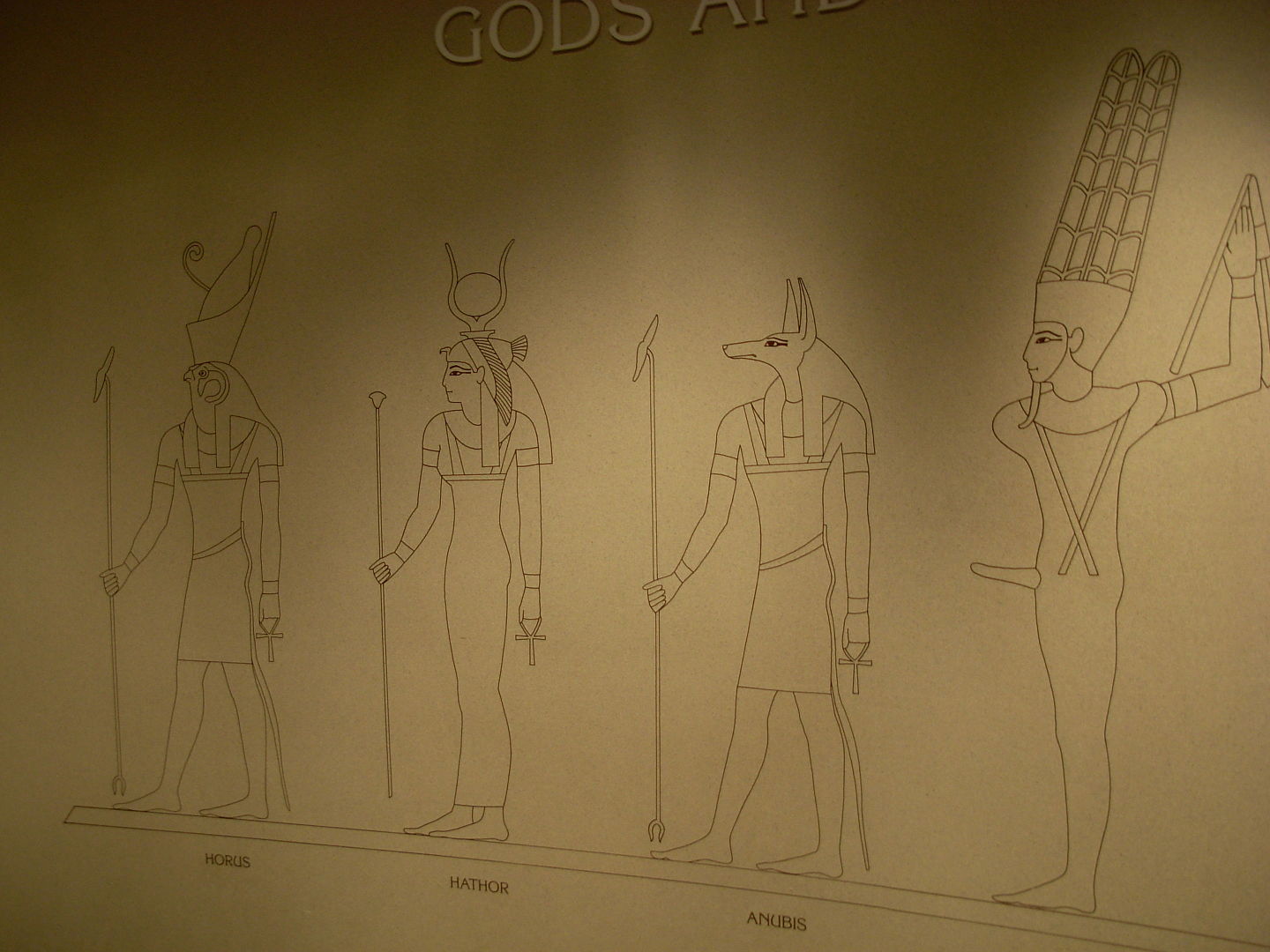
Source: https://es.wikipedia.org/
First of all, we want to talk about the types of religions into which they are divided according to the number of gods in which they are believed.
The concept of theism is related to absolute divine beliefs, creators of the world . These can be divided into three types: polytheism, monotheism, and dualism.
On one hand, there are polytheistic religions, which believe that there is not just one God, but several divine presences. An example of this type of religion is Roman Catholicism, in which each of the gods is represented in human form and possesses divine powers.
On the other hand, we find monotheistic religions. Unlike the previous ones, these believe that there is only one God . This type of belief is characteristic of Christianity.
When we refer to dualism, we are referring to religions that accept that there are two supreme principles, namely good and evil.
Finally, it's worth mentioning the idea of non-theism. This concept is based on the non-belief in absolute deities . These are usually spiritual movements that view divinity in a different way.

Main existing religions
Once we know the types of religions that exist according to whether one believes in a god, gods, or does not believe in absolute divinity, we will focus on knowing which are the main religions that exist throughout the world.
Christianity

This religion emerged in the first century and recognizes Jesus Christ as the son of God . During his life, he chose twelve apostles who were responsible for spreading his word. Together with the Holy Spirit and God the Father, they form the Trinity.
The sacred book of this religion is the Bible, and churches are the sacred place for preaching God's message . Christianity, like many other religions, is divided into different branches: Catholic, Protestant, and Orthodox.
In Catholicism, the central figure is the Pope, who resides in the Vatican . It focuses on the worship of a single figure, Jesus. It also permits the veneration and observance of other deities such as the Virgin Mary and various saints or patron saints.
On the other hand, the Orthodox branch maintains Catholic beliefs but differs from them in some dogmatic aspects . The supreme authority in this case is a governing council; the figure of the Pope is recognized but not considered the supreme authority.
Finally, we come to Protestantism , which separated from the Catholic Church, as we saw in the previous section. It is divided into different denominations such as Lutheranism, Anglicanism, Baptists, Methodists, and Calvinists.

Islam

Founded by Muhammad in the 7th century and whose origin lies in the revelations that the prophet had , to whom the archangel Gabriel appeared who indicated that he had been chosen as a prophet and that he should spread the word of Allah.
In this religion, the sacred text is found in the Quran, which contains the revelations experienced by the prophet. There are two main branches of Islam: Sunni and Shia.
Sunni Islam is followed by a larger number of adherents. In addition to following the Quran, they also follow the Sunna , a collection of sayings and actions related to Muhammad. They uphold the five fundamental pillars of Islam: faith, prayer, giving Zakat, observing Ramadan, and making the pilgrimage to Mecca.
On the other side are the followers of Shi'ism, to which a smaller number of Muslims belong. It emerged after the death of the Prophet Muhammad among the followers of Ali.

Hinduism
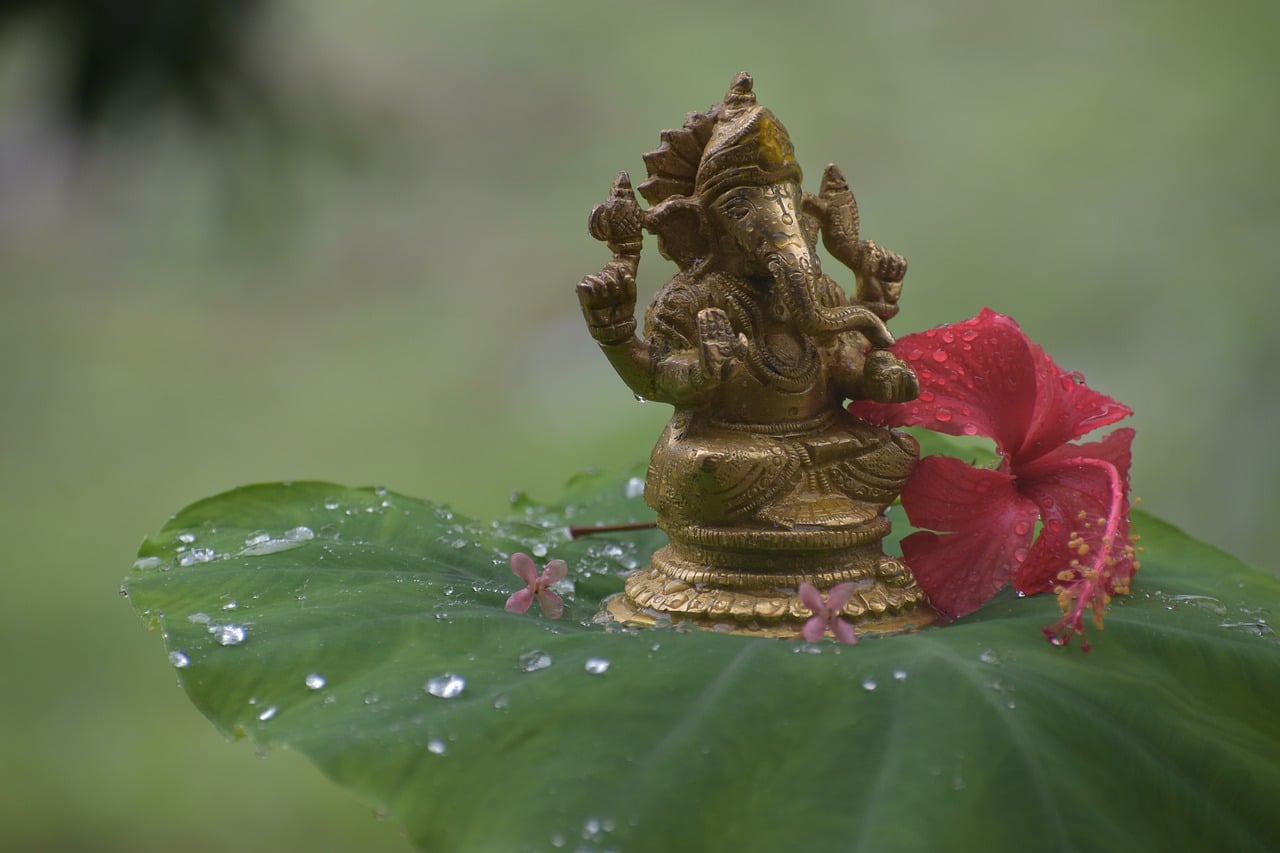
Originating in India, it is one of the oldest known religions in the world and is based on polytheistic spirituality . It encompasses a diverse set of doctrines and a wide range of philosophical and spiritual trends.
All these doctrines and trends unite in two fundamental common aspects: the belief in a supreme god (Brahma) and that all creatures go through the cycle of reincarnation.

Budismo

This type of religion falls within the group of non-theistic religions, meaning its supreme figure is not a god . We are speaking, then, of a philosophical and religious doctrine that arose from the teachings propagated by Siddhartha Gautama.
This doctrine is very prevalent in all Asian countries and is spreading to different territories throughout the world . Within this religion, one can find different doctrines, schools, and practices, all based on philosophical principles.
According to Buddhist teachings, the course of our lives includes suffering, the origin of which is desire . As this desire fades, the suffering we mentioned will also disappear. The path to ending this suffering is built upon wisdom, ethical conduct, meditation, mindfulness, and full awareness of the present moment.
Religions over the years can evolve and undergo changes. As we have seen, religions are a doctrine that base their beliefs, customs and praises on divine beings and those they consider superior in some cases.
