

Norse mythology and its gods have been a source of inspiration for a wide range of fictional stories, series, films, novels, and more. The gods of this mythology have been discussed extensively, but the Viking goddesses have been rarely mentioned.
This mythology is the collection of stories and religious myths about the Vikings . They are based on well-known figures such as Odin, Thor, and Loki, among others. Women were depicted as magical beings with great power and ingenuity.
In this entry, we will talk about the different Viking goddesses that are most important in Norse culture and we will discuss the history behind each of them.
Gods in Norse mythology
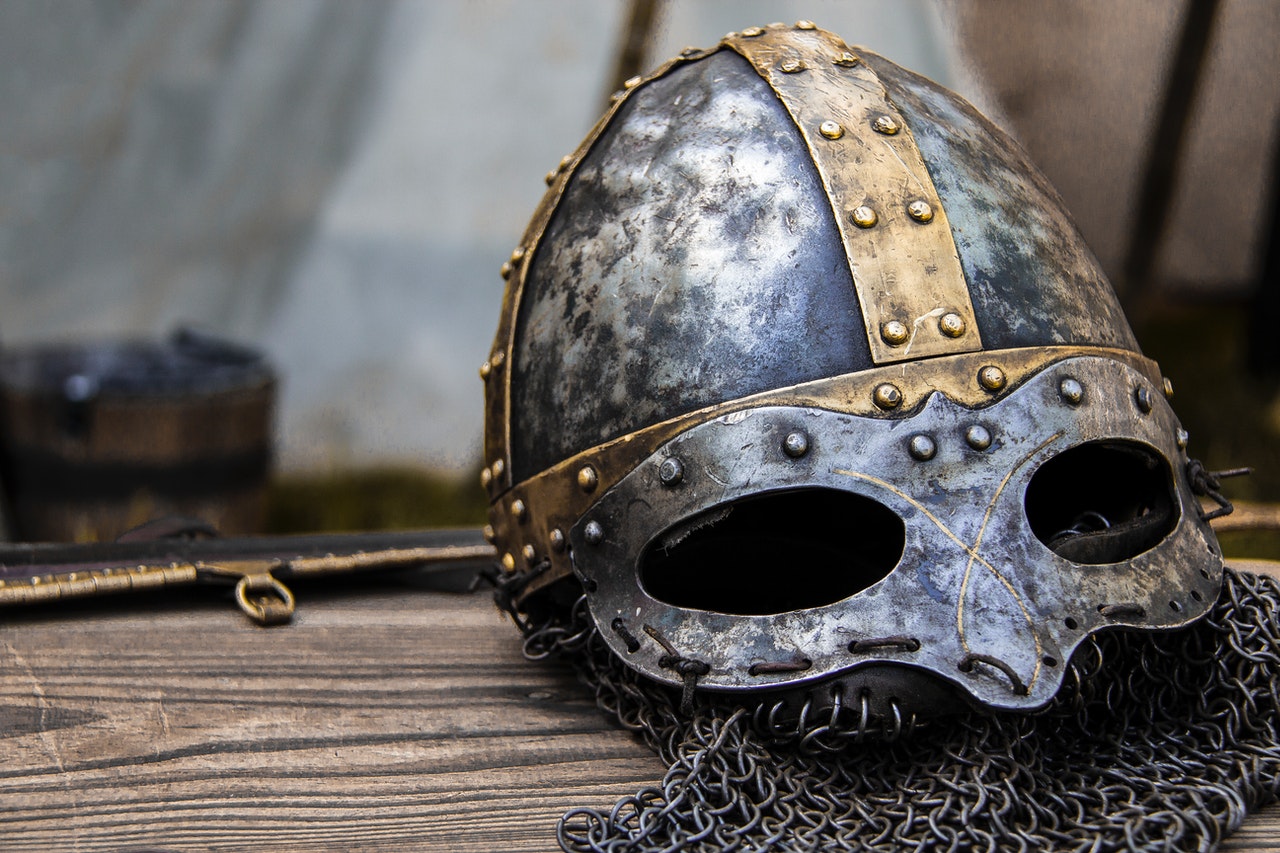
This mythology can be called by different names: Scandinavian, Norse, or Germanic. It comprises the collection of stories and myths in which the Viking people are the protagonists. These legends spread through oral tradition.
Stories about the Norse people were traditionally passed down orally. Thanks to the Christians during the medieval period, some written texts about these legends have survived.
Within this mythology, there is a clear distinction between gods, as not all are the same. They are divided into two groups within the pantheon: the Aesir and the Vanir.
The Aesir were considered the main group , comprising the principal Norse gods. This group included Odin's family and the inhabitants of Asgard. On the other hand, there were the Vanir, who were considered less important gods . These were more peaceful deities who lived in Vanaheim.
As we have just commented, the Aesir were the main gods of the Norse, this leads to the members of this group appearing in mythological stories in a more constant way, which gives them vital importance for the Vikings.
Viking goddesses in Norse mythology
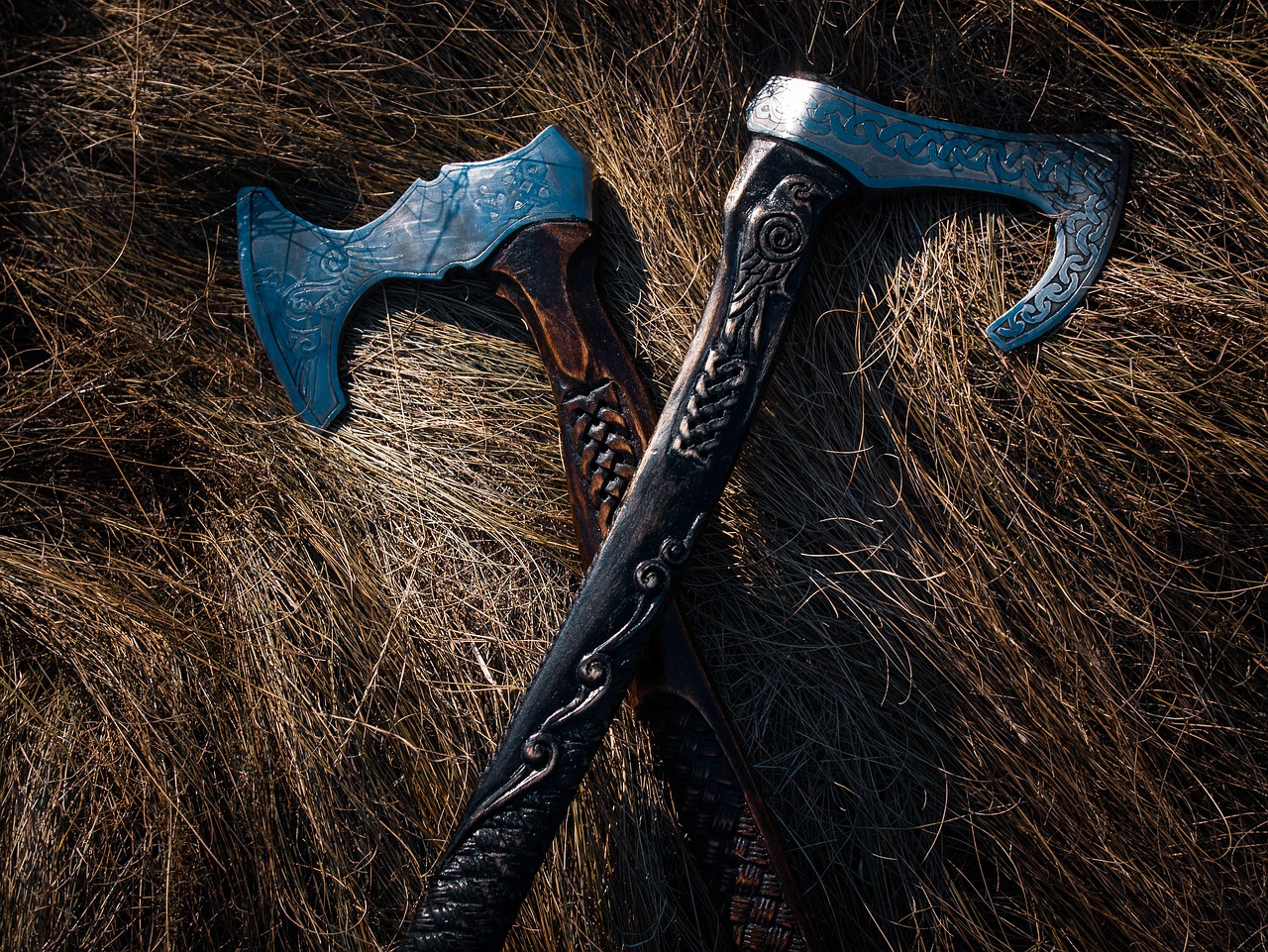
In this mythology, women were represented as magical beings . These beings possessed great strength and ingenuity. Not only did men appear in the various legends, but women also played a fundamental role.
Viking goddesses are associated with themes such as love, the sky, the sea, and others . Furthermore, these women included powerful and highly respected warrior goddesses, such as the elves.
As in the case of the gods, they were not all the same either and were divided into the same groups that we have commented on in the previous section; Aesir and Vanir.
Next, we will talk about the main Viking goddesses and categorize them according to the group to which they belonged according to their characteristics.
Viking Goddesses
Next, we are going to name some of the most important Viking goddesses who belonged to the two groups previously named, Aesir and Vanir.
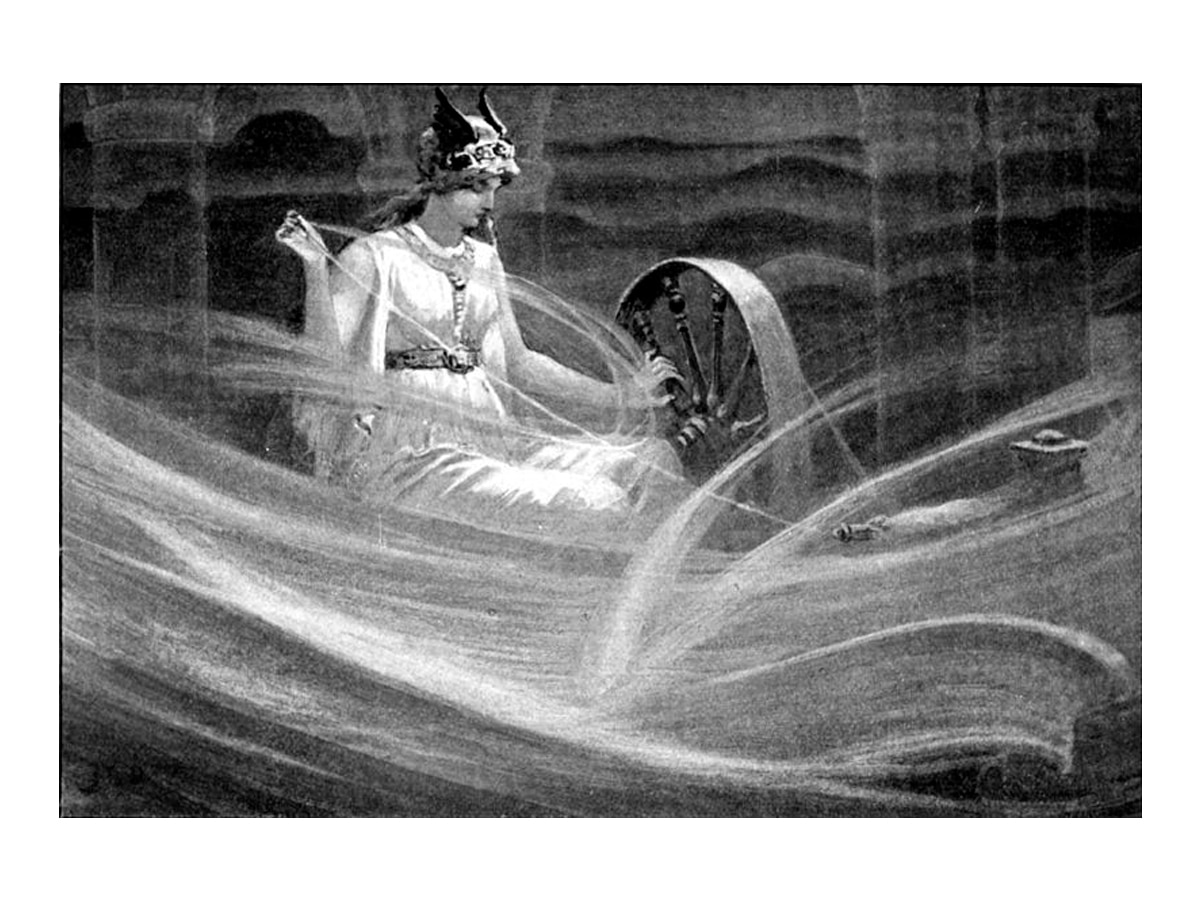
Frigg
Source Wikipedia
Within the goddesses related to fertility, several names can be found. One of the most prominent goddesses is Frigg, wife of Odin.
She is primarily associated with fertility, but is also considered a goddess of the sky, love, and motherhood.
To receive help during childbirth, the Vikings invoked the goddess Frigg . Additionally, a plant with a sedative effect, called Frigg's Herb, was used by women after giving birth.
Frigg possesses the ability of prophecy; she is the only goddess apart from her husband Odin, able to see the nine worlds around her. She also possessed the gift of knowing the future but not being able to change it.
Sif
She is the goddess of fertility, and is also associated with fertility and family . Wife of the thunder god, Thor. Mother of Thrud, goddess of storms, and Ullr, god of winter.
Goddess with long, golden hair. Her symbol is the rowan tree, which is closely associated with family, fertility, and marriage.
An important figure in Norse mythology, as he is referenced on several occasions in the legends of this people, as well as in poetry and literature from the Middle Ages.

Nott

Source Wikipedia
Goddess of the night, to whom darkness and nocturnal deity were attributed . Grandmother of Thor, she was dark-skinned with brown hair.
According to Norse legends, this goddess travels the world at night accompanied by her horse Hrímfaxi . Nott crossed the sky with her animal, and the saliva that fell from Hrímfaxi created the morning dew.

And go to
This Norse goddess was associated with healing and resurrection, and she also had extensive knowledge about the properties of plants.
In Scandinavia, there was a belief that only women possessed healing knowledge using natural remedies. One of the Viking goddesses associated with this type of healing magic was Eira.
Valkyrie warrior, thanks to her gifts and power she was guarded in the Lyfjaberg Mountain. This goddess was related to the god Odin.
Var
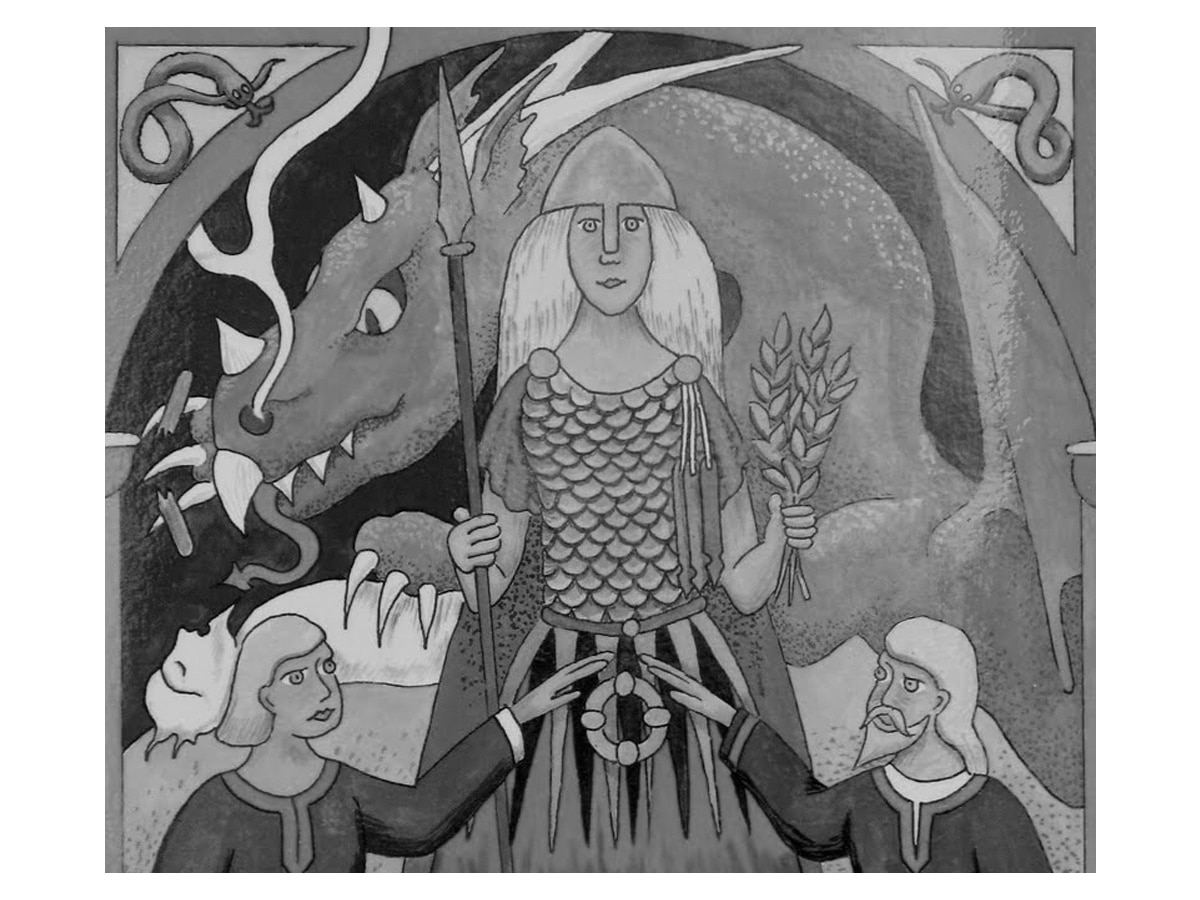
She is recognized as the goddess of agreements, contracts, and marriages . She is also credited with the ability to patiently make and hear oaths and promises of fidelity made by both women and men. Those who broke these oaths were punished.
A resident of Asgard and related to Odin's lineage. This goddess's main function was to strengthen marriages, as well as oversee the fulfillment of promises and the administration of punishments.

Sigyn
She attains the status of a goddess upon marrying the god of trickery. She is Loki's second wife, known as the goddess of mourning and compassion.
The quality of compassion is closely linked to the story of her husband Loki, who was tortured by a serpent and imprisoned. The goddess Sigyn became his main support, enabling Loki to endure this punishment.
Ran
Source Wikipedia
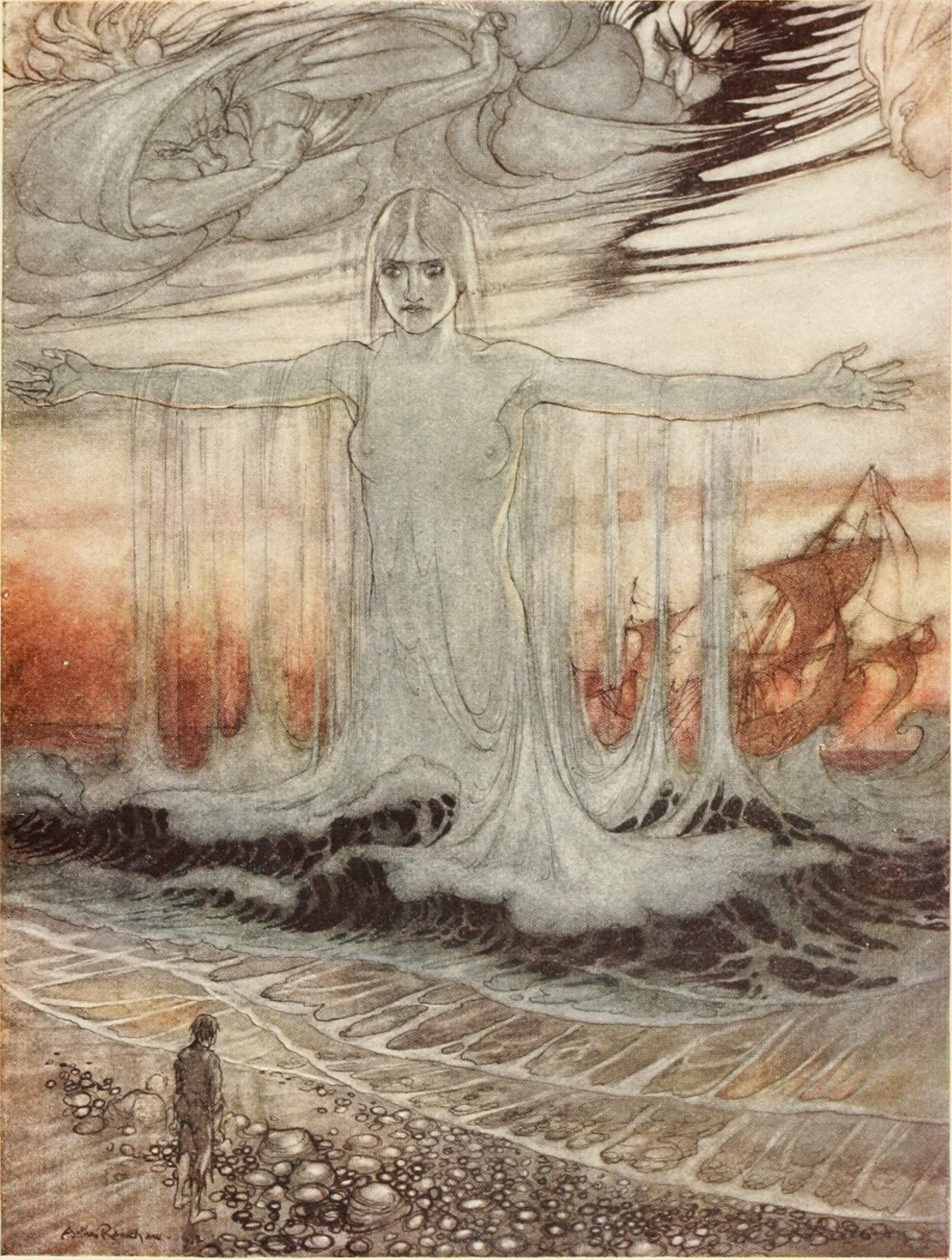
Goddess of the sea and fishing. The Vikings and the sea were closely linked, and they made offerings to this goddess before setting sail. She was known for rescuing the drowned with her net and bringing them to safety in her dwelling.
This goddess doesn't always show her kindest side, as she has a ruthless side, dragging those drowning at sea to the bottom in her nets . Ran is the embodiment of sea goddesses and all the terrible things that can happen to fishermen in that place.

Accident
Considered the goddess of winter and hunting, she was associated with winter sports . This mythological figure travels on skis and defends herself with her bow.
Daughter of the giant Thiazi, killed while pursuing Loki. Hearing this news, the goddess Skade traveled to Asgard wanting revenge, but it was Odin who found a way to make up for the loss of her father.
Norse legends tell that Odin took the eyes of this goddess's father and placed them as stars. Skade married Njörön, one of the sea gods.
Soil
Source Wikipedia
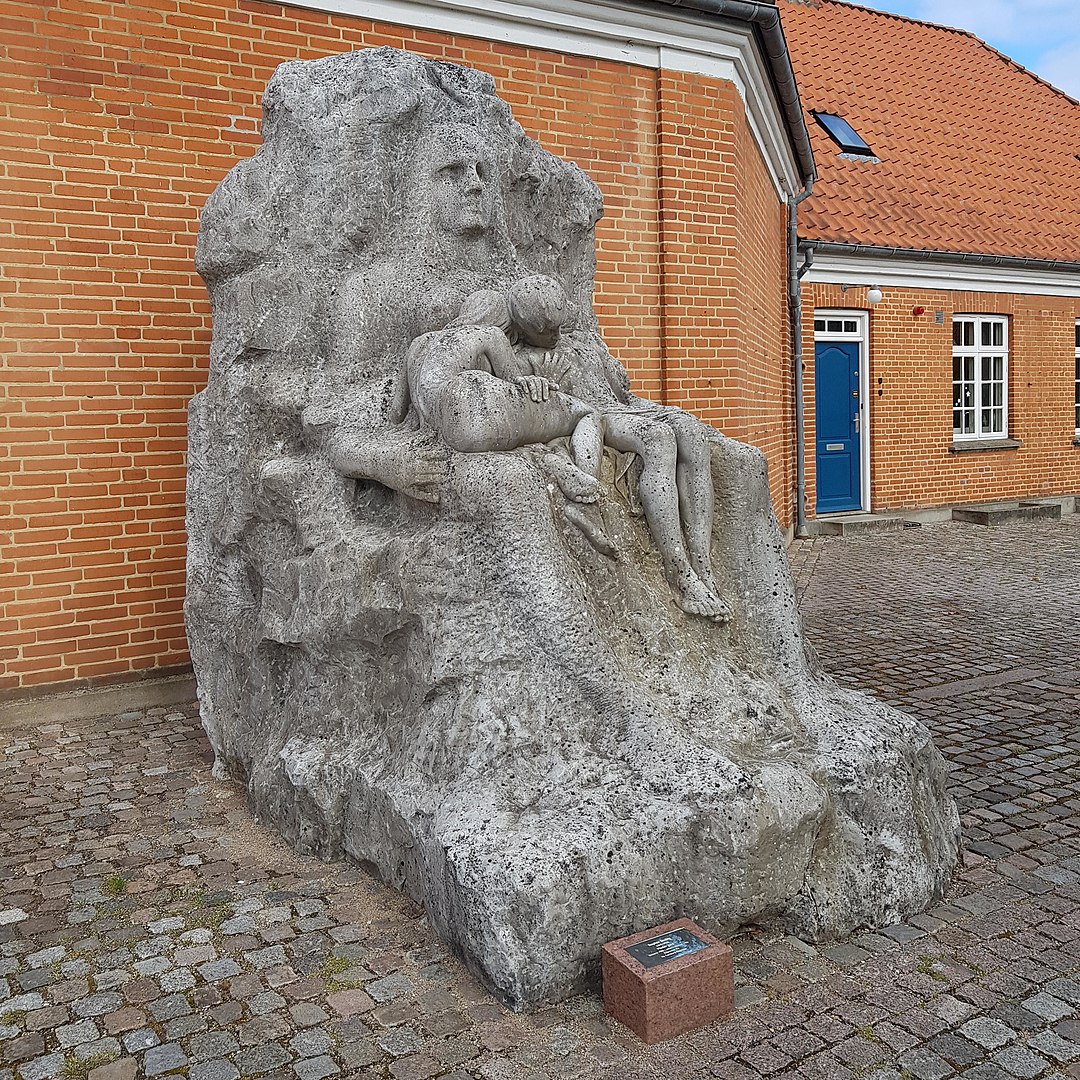
In this case, we're talking about one of the most well-known goddesses. Linked to Mother Nature, she is the goddess who personifies the earth . She shares these two characteristics with other Viking goddesses.
As a protective goddess of nature and plant life, she was worshipped by the inhabitants of the Germanic villages . In the world of men, the gods created a sanctuary in the forest for Jord, where she could care for and protect the earth.
Jord is a giantess who visits her ardent followers with a calf-drawn carriage to attend to their pleas.
A son
We are talking about the goddess of truth and vigilance . She is invoked when someone is accused in a trial.
She worked as a servant to the goddess Frigg and Odin. Under the latter's authority and belonging to Asgard, she was assigned to defend the threshold, watching over and controlling the entry of beings who did not belong there.
Freya
Source Wikipedia
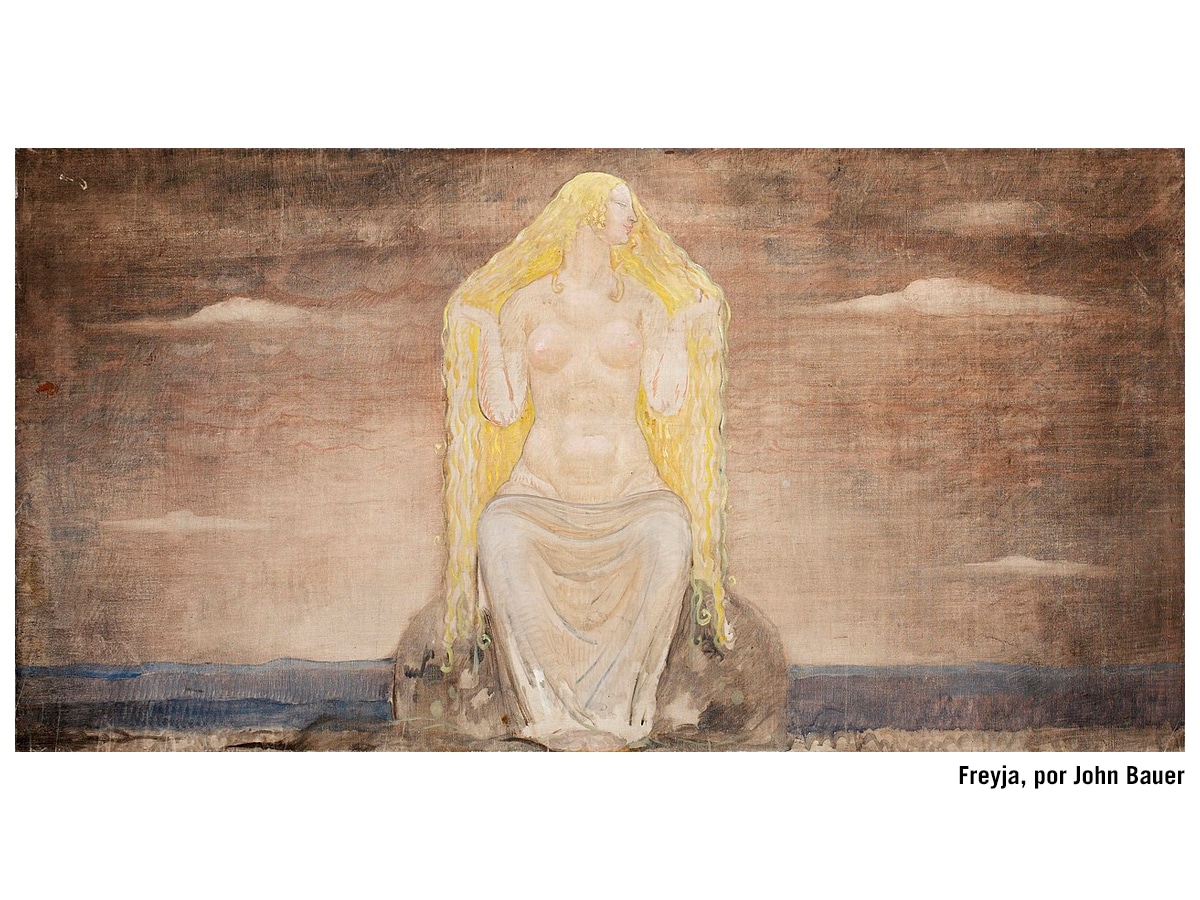
She is the goddess of fertility, love, and beauty . She is one of the most revered deities in Viking mythology, and she possesses a beauty never before seen.
Her devoted followers invoked her when the land needed fertilization, and also during other events such as childbirth, to ensure that babies were born beautiful and healthy.
Also considered a Valkyrie goddess, she led the virgin warriors sent by Odin to protect and aid wounded soldiers in battle . Despite being a goddess associated with love, her story is more closely linked to combat and war.
gullveig
Source Wikipedia
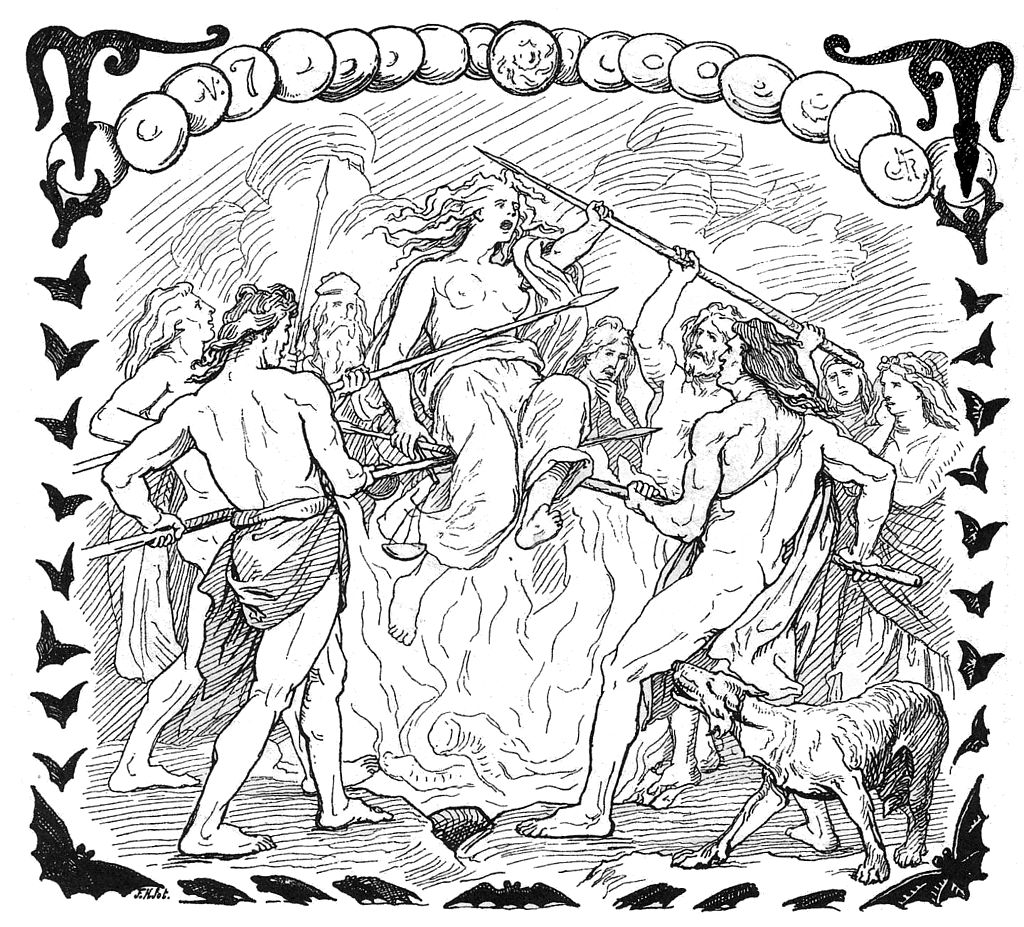
Associated with magic and evil, Gullveig is a giantess with a mysterious air . She was killed and burned in the center of Glaosheimr, since during her visits to Asgard, no one understood her unbridled desire for gold.
Gullveig was a goddess with extraordinary powers, and her death proved futile, as these powers allowed her to resurrect herself amidst the flames . They continued this practice of killing and burning her, and each time she would rise again, which led her to become a malevolent goddess.
The legends give him all the responsibility for the war between the Aesir and the Vanir.
The figures of the Viking goddesses are enigmatic, they are wrapped in mystery, magic and power. They are divinities that are admired and projected beliefs. They contain within them different supernatural virtues that in many cases allow them to help their faithful.
We hope that this publication about the Viking goddesses with great power has pleased you and sparked an interest in Norse mythology.
