

Among the most popular aromatic plants today is undoubtedly mint. This beautiful and fragrant herb is highly decorative and can be used in various culinary recipes or to prepare infusions and beverages. Furthermore, it is a very beneficial plant for our health, as it is an excellent natural remedy for different types of ailments. However, if we want to enjoy this herb in our home and cultivate it properly , it is essential that we know how to care for mint.
If you've acquired one of these plants and want to properly care for it so it continues to produce leaves and fill your home with its fragrance, then keep reading. In this article, we'll explain all the care your mint needs to grow and thrive.
How do you take care of the mint plant?
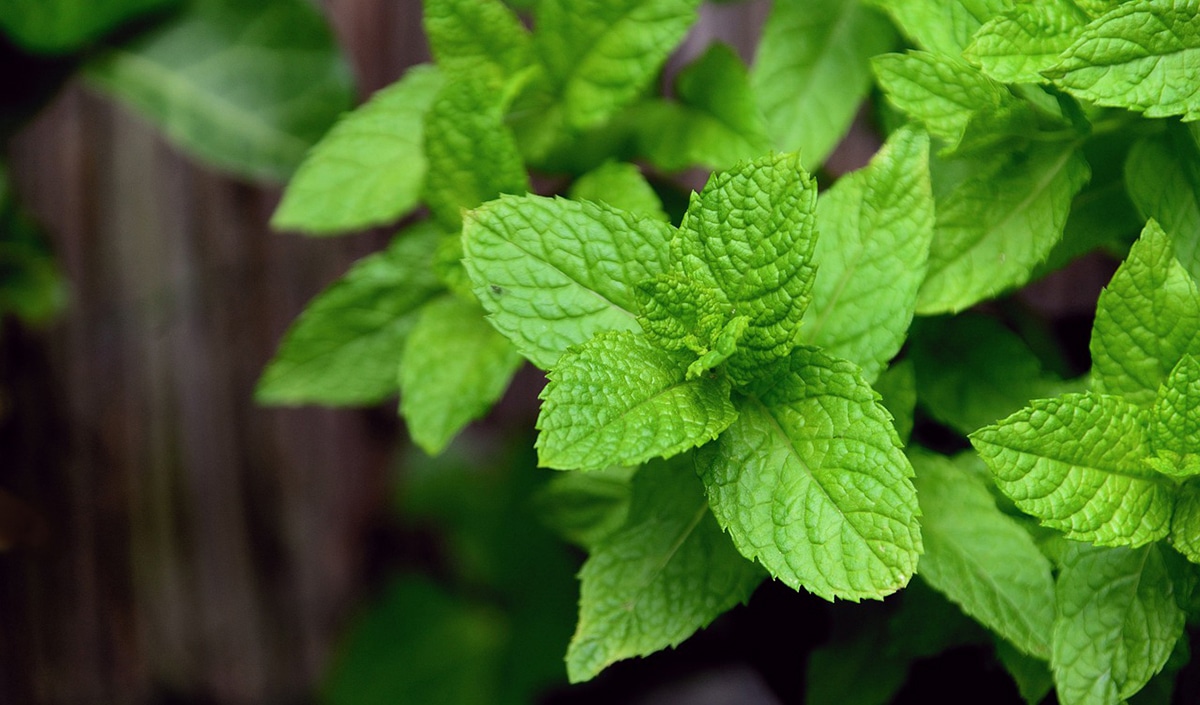
Before discussing the various aspects of mint care, we must first highlight a very important point to consider. This plant can become quite invasive. In other words, if allowed to grow large enough, it will eventually take over the space of other plants in the garden or vegetable patch, causing the death of other species we are cultivating. For this reason, it is best to grow it in pots to prevent it from harming other plants in the surrounding area. With this small detail in mind, let's look at how to care for mint.
As with all plants, watering is one of the most important factors for healthy growth. In the case of mint, this needs to be frequent. It's vital for this plant that the soil is always moist. So, when you notice the soil is dry, it's time to add some water. However, you must be careful not to overwater the roots, otherwise they could rot and your mint will eventually die. So, how should you water it? The best way is to pour plenty of water onto the soil and wait until it drains out of the drainage holes in the pot. Any water that collects in the saucer should be removed.
Another basic care requirement for mint is pruning. It's a very fast-growing plant, so you'll need to trim its leaves even if you don't need them. Removing all the wilted leaves is also very beneficial. This not only improves its appearance but also prevents it from wasting energy and resources. For more information on caring for other plants, you can consult our basil care guide.
It's also important to highlight the role of nutrients. In this regard, it's best to change the soil once a year. This will provide fresh nutrients for the mint. The best time to do this is in spring, when the mint will need them most.

Where to locate the mint plant?
Besides the ongoing care it requires, the location of the mint is also extremely important. While it's true that it's an indoor aromatic plant, it can also be grown outdoors. However, we must keep in mind that it can wilt very quickly if left in direct sunlight, so it's best to place it in a shady spot. Even so, light is essential for it to grow properly, so the best place is one that receives indirect sunlight.
If you want to grow mint outdoors, it's important to remember that you'll need to move it outdoors when temperatures start to drop. This plant doesn't survive frost, so you'll have to bring it indoors or into a greenhouse. If you're growing it indoors, you can leave it where it is, but the care for mint will remain the same. However, you'll likely need to water it less in winter than in summer.
Mint Care: Pests and Diseases

Now that we know how to care for mint, we only have one topic left to discuss: pests and diseases. It's vital for plants to know what can harm them, to be able to detect it, and to be able to treat it in time. Luckily, mint isn't very prone to disease. Even so, let's discuss the two most common diseases of this plant:
- Verticillium wilt: It is a fungal disease and is transmitted through the soil. The fungus penetrates the plant through the roots and can even cause death. Unfortunately, this pathogen can live in soil for several years even when there is no plant host. It is best to apply preventive measures to avoid the appearance of this fungus.
- Mold on mint: It is also a fungal disease, this time caused by Puccinia menthae. When mint is attacked by this fungus, spots with brown and orange tones appear on the underside of the leaves. This disease can cause complete or partial defoliation of the plant. Overhead watering can help this fungus spread. A good way to prevent its appearance is to improve air circulation, reducing the support of mint. In the event that the plant has already contracted this disease, we can apply fungicides.

Besides these diseases, mint can also be attacked by certain pests, the most common being thrips, aphids, and spider mites. What they all have in common is that they typically reside on the undersides of the leaves. Symptoms that indicate the presence of these insects include spots and discoloration of the leaves. In addition, there may be cases of complete or partial defoliation. It should be noted that these pests not only damage the plant but also promote the development of fungal diseases, which is all the more reason why we must combat them as soon as possible.

Now you have all the information you need about caring for mint. All that's left is to enjoy this beautiful plant and the fragrance it gives off.