
This post aims to make known some Medicinal Plants and what they are for. Since ancient times, human beings have used plants for medicinal use, succeeding on some occasions. In their search they learned that plants or parts of them could be used to heal ailments in humans and animals. I invite you to learn about some medicinal plants, their properties and usefulness.

Medicinal plants
Those plants from which their specific parts can be used, be they their leaves, stem, root, fruits, flowers, seeds or the plant in its entirety, to cure any disease in humans or animals, are known as medicinal plants. The property of these plants to relieve or improve the symptoms of any disease or diseases in particular, is due to their active principles or chemical components of these plants.
These active ingredients come from their biochemical composition that have the power to exert some beneficial or harmful medicinal reaction on human beings. Since prehistory some plants have been used as medicinal and by trial and error, it has been identified which may be beneficial for some diseases. The first plants used as medicines may have been flowering plants or "angiosperms".
To prevent food from spoiling (such as meat) due to the appearance of bacteria, especially in hot climates, spices began to be used to keep food in good condition for longer. Herbaceous plants usually grew around the villages, such as: dandelion, nettle and chickweed; These herbs were used as medicinal plants.
In the excavations carried out by paleontologists in some prehistoric burials, some samples of plants were found, these findings were what indicated to these researchers that since the Paleolithic, human beings had been using plants for medicinal use. An example of this was the burial found in northern Iraq around 60.000 years old, in a place where Neanderthals buried, Shanidar IV, they found large amounts of pollen that they identified and came from 8 different plant species and of which 7 plants Today they are used as medicinal.
Other examples of parts of plants or other living organisms used for medicinal use is the toadstool of a fungus that was within the personal effects of an Ötzi snowman, who was frozen in the Ötztal Alps region for around Some 5000 years ago, researchers believe the fungus was used to counteract the effects of whipworm parasites (whipworm).

Scientific advances have allowed today to isolate, identify, and generate some active ingredients and produce medicines that are used to treat some diseases. In addition to this production in the medicine laboratory, from the isolation of the active principles of the plants. The tradition of using medicinal plants is still practiced in countries that are not very industrialized and where the cost and access to medicines is uphill.
With the aim that more and more people have safe access to traditional medicine, the World Health Organization (WHO) has been leading a network promoting the use of traditional medicine, in view of the inaccuracy of the treatment of diseases with the medicinal plants, because these plants may or may not be beneficial to the body. It is also possible that they are medicinal plants and their active ingredient has to be meticulously dosed.
To use medicinal plants, they are prepared in different ways, the plant or part of it can be used directly. By using them in their natural form, they are used for specific diseases: headache, insomnia, cough, fever, menstrual pain and other ailments. There are several ways to consume it, such as infusions, baths, poultices, decoctions, cooked, in salads.
They are also known as enhanced drugs, when they are arranged as fluid or soft extracts, syrups, wines, tinctures, lotions, creams, powders or capsules and other forms of preparations. This form of preparation requires less technology and is the initial way in which ancient pharmacists or specialists prepared it and even today some trained people continue to do so.
They are prepared in this way for social utility. The chemical substances or active ingredients contained in one or more crude drugs are related or associated according to their purpose or healing property in order to produce a specific, mild, reliable therapeutic effect without any toxicity.

Used in an industrialized way, processed by a high pharmaceutical technology, through this technified processing, chemical compounds with high potency in pharmacological properties are isolated. These are pure molecules with a known chemical structure that act in a defined and measurable way on the cells of the organism.
Due to the high cost of agricultural production that involves planting, maintenance with organic fertilizer and pest control, collection and processing of medicinal plants, industrialists prefer to direct their research and study techniques to achieve the chemical synthesis of isolated molecules For commercial purposes.
Although the use of medicinal plants dates back to quite remote times, there was a time that was linked to magic, over time each population built its legends and beliefs with the aim of understanding its environment and its culture and traditions. Even today there are cultures that maintain many of their traditions and science with its scientific advances that have managed to give an explanation of each plant, extract, formulas and active ingredients that allow biological activity.
Scientific verification has made it possible to find and apply scientific knowledge to obtain the synthesis and production of some pharmacological molecules equivalent to those that are present in some plants, and active ingredients obtained in this way are part of the drug formula produced by the laboratory, such as: aspirin (which is a product of the active ingredient obtained from willow) or penicillin also of plant origin.
The continuous study by the pharmaceutical industry has as a result that through the process of scientific verification, the molecules of different plant species that are traditionally used as medicinal plants have been found, and it has been proven that they can be used as a source together with other compounds discovered, for the development and elaboration of new medicines that can be used for different applications.
Many of the drugs used today, such as opium, quinine, aspirin and digitalis, are the response of synthesis, due to the isolation of the active principles of molecules that are also present in plants used by different ancient cultures as medicinal. , even without knowing its active ingredients.
For example, salicylic acid, named for the fact that its active ingredient was extracted from the bark of the willow tree (Salix sp.). Similarly, in 1888, the malaria epidemic that occurred during the construction of the Panama Canal was treated with a preparation of cinchona bark ( Chinchona calisaya ) by traditional Kallawaya healers from Bolivia.
Side effects
Currently, people in their search for different alternatives to heal their illnesses have directed their search to the use of medicinal plants as alternative medicines to those prescribed by their allopathic doctor. Likewise, it is necessary to call attention to the false belief that the products obtained directly from medicinal plants are innocuous, for this reason there are more and more systematic studies evaluating their effectiveness and safety, to prevent their frequent uses and doses from become fatal. Given that some become toxic at certain doses and abuse in their use.
For safety, you have to be aware of possible adverse reactions when consuming natural preparations obtained from medicinal plants, because their reactions may be different in some people, causing intoxication due to overdose or unsatisfactory interaction with other substances.
In investigations carried out, associations of clinical relevance between preparations obtained from medicinal plants and pharmacological products have been observed and described, due to this it is important to inform doctors about the consumption of natural medicine. It is important to have fair medical control for both naturopathic medicine and laboratory drugs.
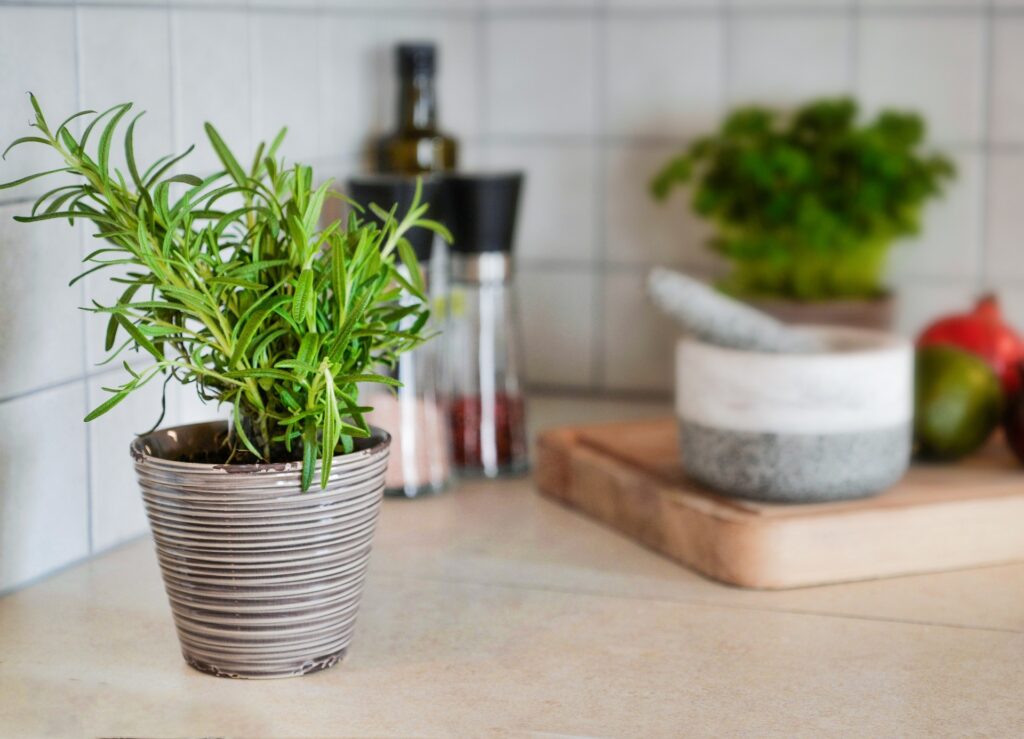
Medicinal Properties of Some Plants
The use of Medicinal Plants and the products obtained from them are supported under the following conditions:
- The Medicinal Plants or derivatives seek to work in the reactivation of the affected organic functions
- These natural medicines seek to stimulate the defenses of humans and animals, without replacing them or forcing them to act.
- They seek to balance the harmonic flow of vital energy
- They reinforce the optimal functioning of organs and tissues in nutritional, regenerative functions
- As needed can help remineralization
- Helps eliminate toxins through purification and cleansing, favoring blood circulation
- It serves as a prevention and regeneration treatment, it can be used as the main medication or as a complementary or auxiliary medication.
- They are generally not allergic, nor do they cause habits or accumulate.
Application of Medicinal Plants
This list below describes the therapeutic applications of some Medicinal Plants, listed by their common names in alphabetical order.
A
Birch: the leaves are used. It is used to relieve discomfort of the respiratory system, obesity, arthritis, uric acid, cholesterol, hypertension.
Artemisia: Digestive system, menstrual period, hair
Sorrel: Digestive discomfort, appearance of ulcers, constipation, lack of appetite
Chicory: Improves digestion, serves to improve situations of anemia, liver failure, circulation.
Agrimony: It is used for problems due to pruritic dermatitis, anti-allergy, pharyngitis or tonsillitis, snoring, migraines.
Savory: It is an energizer, increases sexual vigor, relieves digestive disorders.
Wormwood: Dandruff, convalescence, stomach (dyspepsia, indigestion), wound, impotence, loss of appetite, digestion.
Screened wormwood: Helps to lose weight, natural detoxification, itching, halitosis, toothaches
Basil: Calms nerves baldness, depression, indigestion, eyes, cough, vomiting.
Artichoke: improves liver problems, provides iron and vitamin B
Caraway (seeds): Hemorrhoids, belly bulge, breast milk stimulant.
Fenugreek (seeds): Hypertension, anemia, weakness, increases muscle mass.
Algae: Provides minerals and vitamins
Aloe vera: Hoarseness, exhaustion, asthma, erysipelas, constipation, flu, liver, loss of appetite, menstruation, skin, burns, excessive sweating, cough and skin ulcer.
Poppy: Flu, insomnia, nervousness, rheumatism and cough.
Angelica (root): Stimulant, calms the nerves, tonic, suggested for various diseases.
Anise (screened grain): Reduces bulges, gases, acidity, poor digestion.

Celery (seeds): Hoarseness, healing, sores, improves arrhythmia problems.
Blueberry: Lowers blood glucose levels, diabetes.
Arenaria: Diuretic, detoxifying
Arnica (flower): Relieves bumps and muscle pain, sprains, stretch marks. It is used as an antibacterial.
Arraclán (bark): It is used to improve the functioning of the liver and spleen, inconvenience of constipation during pregnancy.
Avena sativa: Energizing, diuretic, fertility and is used as an aphrodisiac.
Orange blossom (flower): Insomnia, relaxing, sedative, anemia, tiredness, vitamin C.
B
Burdock (root): It is used as a blood purifier, antibacterial, cystitis, antibiotic and antiseptic.
Boldo: Antioxidant, liver and gallbladder restorer, digestive, exhaustion, gonorrhea.
Shepherd's bag: Regulates menstrual flow, helps relieve varicose veins.

Borage: Purging purging, sudorific, expectorant, relieves colds and cough
Heather (flower): Urinary tract, gout, edema, hypertension, improves gingivitis.
Bougainvillea: Helps relieve different respiratory problems
C
Calendula (flower): Anti-inflammatory, burns and skin irritation, wounds and infections
Lavender: Stomach difficulties, heavy digestion, helps to expel gas
Green cardamom: Stimulant aphrodisiac, weakness, invigorates the heart, improves the voice.
Milk thistle (seeds): Protects and renews the liver, excess alcohol, bile flow, breast milk, antidepressant.
Holy thistle: Respiratory problem such as asthma, herpes zoster, arthritis, liver, fevers.
Carvi (seeds): Prevents the secretion of intestinal gas, farting.
Horse chestnuts: Treatment for prostate problems, tones capillary arteries, varicose veins, swelling of veins, cellulite.

Centaurea: Diabetes (Decreases the amount of sugar in the blood), urine, slimming.
Centella asiatica: Nourishes the skin, toned, cellulite, varicose veins.
Cherries (tails): Diuretic, slimming regimens.
Coriander: Digestive disorders, elimination of gases.
Cochlear: Purifies the blood and combats excess uric acid.
Horsetail: Beautiful skin, hair and nails, cellulite, strong bones, cell regenerator.
Cumin: Diuretic, rheumatism problems.
Copalchi (bark): Treatment of diabetes, fever reducer, flu and colds.
Turmeric (root): anti-inflammatory, arthritis, liver, eliminates cancerous substances, psoriasis, fungi.
Ground turmeric: Remove kidney stone.

D
Damiana: Energizing, Exciting, impotence, premature ejaculation, frigidity, depression, vaginismus.
Dandelion: Kidney stone.
E
Eleutherococcus (root): Brain, intellectual concentration, exercise and resistance, stimulant of the nervous system.
Holm oak (barks): Intestinal swelling, diarrhoea, rashes, tonsillitis, pharyngitis, wounds, bleeding.
Juniper (black berries): relieves headache, migraine, kidney stones.
Echinacea: improves the body's defenses, very useful for cold sores.
Rose hips (fruits): For people who need calcium, ideal for fat dissolution.
Hawthorn: All kinds of heart system problems, hypertension, antioxidant.
Tarragon: digestive disorders, stimulates appetite, eliminates intestinal worms.
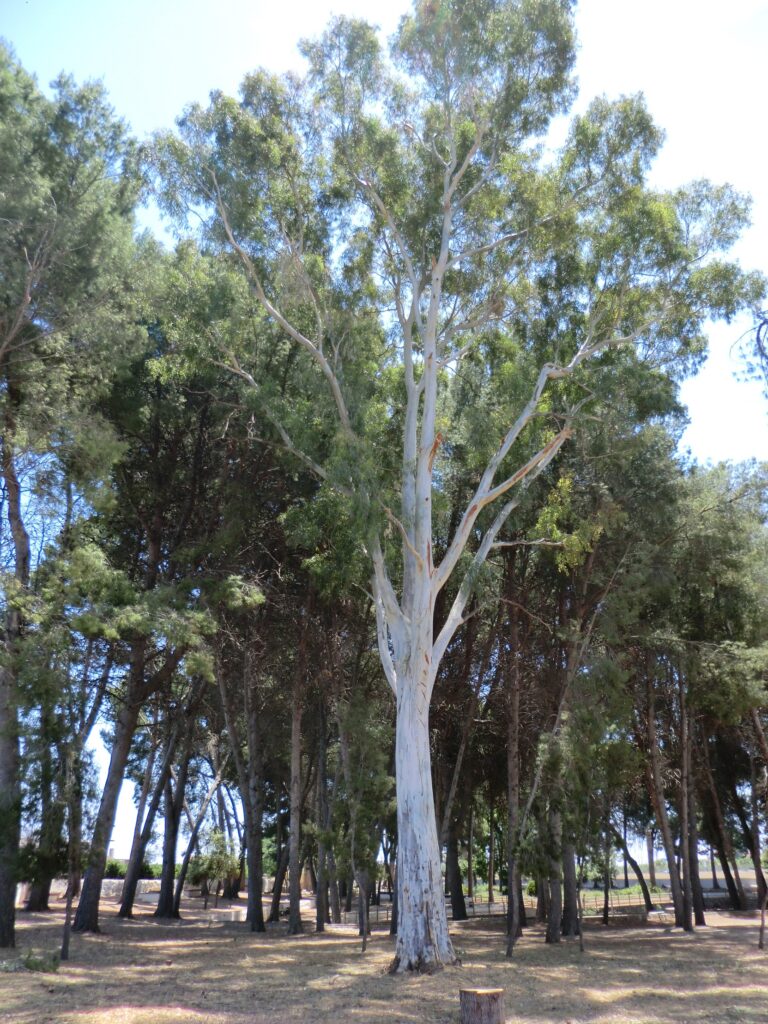
Eucalyptus: Improves respiratory ailments, asthma, expectorant, bronchitis, cough, flu, sore throat.
F
Raspberry: Throat, mouth ulcers, gums, dermatitis, menstrual cramps.
Fresno: used to lose weight, very good to cure and remove warts.
Strawberry: Arthritis, gout, cholesterol.
Fucus: Obesity, cellulite, fluid retention, cholesterol, gout.
Fumaria: Dermatological problems (pimples, acne, suppurations, skin lesions), hives, facial tonic.
G
Bearberry: Cystitis, urinary infections.
Gentian (root): Fights weakness, revitalizes the immune system after an illness.
Ginkgo biloba: Antioxidant, attention and memory, stimulates performance, improves circulation in the legs, head, heart, Alzheimer's, Parkinson's, impotence, depression, hangover.
Ginseng (root): Insomnia, tiredness, chronic fatigue, neutralizes stress, increases mental capacity and memory, cholesterol, blood sugar, diabetes, immune system, cancer, aphrodisiac, impotence and flaccidity.
Mullein: Bronchitis, cough, sore throat, cold, analgesic, antiviral.

Grama (root): antiseptic, anti-inflammatory in infections and urinary stones, gout, arthritism, cellulite.
Black currant: Reduces joint inflammation and pain relief, reduces gout inflammation, blood circulation.
H
Hamamelis: Rich in tannins and flavonoids, varicose veins, circulatory system, leg pain, bruises, skin care.
Harpagofito (root): Rheumatic pain, joints, osteoarthritis and arthritis.
Hernia: Cystitis, urethritis, bladder tenesmus, urinary lithiasis, neuralgia, rheumatism, gout.
Hibiscus (flower): Skin care, strengthens hair roots, aphrodisiac, respiratory system.
Peppermint: Digestive, tonic properties, stimulant of the organism.
Lemon verbena: Useful to expel gas, digestion, weak and nervous stomachs, relaxing, bad breath.
Fennel (seeds): Reduces cholesterol, antioxidant, obesity, impotence and aphrodisiac.
Hypericum: Heartburn, ulcers, diarrhea, anti-cancer, analgesic, menstruation.
Hyssop: Asthma, cold, cough, respiratory disorders.
I
Incense (tears): psychic treatments, inner peace and meditation.
J
Ginger (root): Anti vomiting, dizziness, pregnancy, good for the heart and circulatory system, chronic fatigue syndrome, sinusitis.
Beans (pods): Slimming, antioxidant, cellulite, arthritis, cardiovascular diseases, rich in fiber.
L
Laurel: Arteriosclerosis, rheumatism, bronchial tubes, flu, respiratory system.
Lavender: Digestive, eliminate anxiety, drive away insects, combat bad odors, healing, headaches.
Lavandin (flower): respiratory tract, dizziness, diarrhea, slow digestion.
Lemon grass: concentration and memory, cosmetic, digestive, hypotensive, hypoglycemic, sugar, teeth whitening.
Levístico (root): Digestive in cases of shortage of gastric juices, carminative, regulates menstruation.
Lemon (rind): Rich in vitamin C, obesity, edema, colds, hypertension.

Yellow flax (seeds): Rich in omega 3, anti-cancer, antioxidant, beautiful skin, heart.
Iceland lichen: Bronchitis, cough, very good for the common cold, pharyngitis, laryngitis.
Plantain: Sore throat, aphonia, hoarse voice, mouth sores, diarrhea.
Cone hops: Sedative, tranquilizer, nervousness, insomnia, muscle stiffness, increases the production of female hormones (good female aphrodisiac).
M
Mace: Carminative, stimulating.
Corn (stigmas): Contains tannins, lowers cholesterol, hypoglycemic, diuretic.
Malva (flower): Sores, ulcers, skin lesions, dry eyes, hoarseness, hoarseness.
Marshmallow: Bumps, bruises, burns, pimples, frostbite, sprains, arthritis, bites, itchy skin.
Manguey: It can be useful in conditions such as gout, rheumatism, arthritis, etc. It is also purifying and if used externally it can relieve skin damage.
Chamomile (flower): Digestive, ulcer, gastritis, cholesterol, sinusitis, anti-carcinogenic, menstrual spasms.

White horehound: Appetite stimulant, increases liver activity, respiratory tract diseases.
Cress/Lepidium: Stimulates metabolism and kidney activity, strengthens the stomach and gallbladder, rheumatism and gout.
Mate (yerba): Stimulating, eliminates fatigue, mental and physical activity, defenses, circulation, bladder problems.
Marjoram: Digestive, antiseptic, sedative, respiratory conditions, antioxidant.
Melissa: Nervous problems, stress, personal anguish, insomnia, tachycardia and muscle spasms.
Peppermint: Digestive, bloating, stomach problems, altitude sickness, muscle pain and tension.
Yarrow (flower): Improves memory, menopause, hypertension and inflammation of veins, varicose veins, pimples, nails.
Moringa: Moringa is a superfood that improves respiratory capacity, prevents diabetes, protects the heart, improves neurodegenerative diseases, helps with weight loss, prevents and ends anemia, increases defenses, analgesic and anti-inflammatory, protects and moisturizes. the skin, reduces the discomfort of menopause
Yellow mustard (grain): High protein and mineral content, it has antiseptic and digestive properties.
N
Orange: Circulation, has minerals, vitamin C, common cold, rich in potassium and phosphorus.

Walnut: Treatment of rashes and various skin diseases, it is also a good remedy for diarrhea.
O
Olive: Hypertension, tachycardia, increases good cholesterol, antiviral, antibiotic.
Oregano: Antioxidant, circulation.
Licorice (root): protector of the stomach, esophagus, and small intestine from heartburn, stimulates the repair of the gastric mucosa and reduces the risk of ulcers in the small intestine. It also has anti-inflammatory and anti-allergic effect,
White nettle: Cough, bronchitis, pharyngitis, acts on the bronchial epithet by increasing bronchoalveolar secretions.

Green nettle: Kidney stone, osteoarthritis.
Orthosiphon: Diuretic (favors the elimination of water) salts and nitrogen, purifying treatment, gout.
P
Parietaria: Very effective diuretic, stones or grit in the kidneys.
Passionflower: Sedative of the nervous system, contains menthol (myorelaxant), hypertension, tachycardia, insomnia.
Pebrella: Colds, cough, sore throat, gas.
Parsley: Diuretic, accumulation of water in the body, very useful to prevent the formation of kidney stones, bad breath, cardiac properties, flatulence.
Pine Buds: Antiseptic, fluidifying the bronchial tubes, anti-catarrhal.
R
Rabogato: Gastric ulcers, heals wounds quickly, antibiotic properties, anti-inflammatory.
Licorice (root): Heartburn, ulcers, mouth sores, slow digestion, smoking, liver protector, hepatitis B, alcoholism, cirrhosis, antiviral, flu, cold sores, chronic fatigue, stimulant, natural aphrodisiac.
Oak (bark): Urinary incontinence, reduces excess fluids in the intestine, helps cure gastritis by acting on the inflamed gastric mucosa.

Rosemary: Helps to overcome liver conditions, respiratory diseases, muscle pain, Alzheimer's, improves hair, natural tonic.
Rose (flower): tones the skin, good especially for oily skin, widely used in relaxing massages, it is a mild laxative.
Rue: its properties stand out to relieve constipation and improve the digestive system; It is sedative, helps relieve menstrual cramps and also improves the circulatory system.
Rhubarb root: Effective remedy for diarrhea and to cleanse the colon, it is a mild purgative of the intestine.
Ruscus/Xilbarba/Rusco: Treatment for hemorrhoids and varicose veins.

S
Sage (buds): Improves memory, Alzheimer's.
Bloodroot (flower): Effective for lowering blood pressure.
Willow (barks): Rheumatism, inhibits and calms the excess of sexual desire of men and women, warts, psoriasis, calluses and bunions.
Sauco (flower): Relieves cough, flu problems, fever, prevents colds, in vapor form relieves otitis, constipation, pharyngitis, epilepsy, atherosclerosis.
Sen: Purging.
T
Linden (flower): Insomnia, stress, nerves in the pit of the stomach, physical problems of a nervous nature, abscess, albuminuria, gout, flu.
Thyme: Appetite stimulant, antimicrobial, antiseptic, digestive, expectorant, flatulence, drunkenness, sinusitis, cough, skin ulcer.
Travalera: Known as vegetable insulin, it is used for diabetes treatments (it lowers blood sugar).
Water clover: Widely used for anorexia problems.
U
Cat's claw: Diseases in the renal urinary tract, difficult-to-heal wounds, immune system, antiviral, herpes, useful in the treatment of cancer.
Ulmaria plantaulan: Promotes the elimination of kidney stones, has an anticoagulant effect.
V
Valerian (root): Relaxing effect in situations of stress and insomnia.
Goldenrod/Solidago: Renal failure, diuretic, diarrhea, hypertension.
Verbena: Hoarseness, abscess, strengthens the nervous system, stress, depression, melancholy, menstruation, headaches, toothache, malaria, rheumatism.
Red Vine: Improves cerebral circulation, circulation in the legs, stops vision loss in the eyes (when associated with poor circulation).

Z
Sarsaparilla (root): Purifying, slimming, eliminates toxins from the blood, uric acid, body fat, stimulates the elimination of liquids. Impotence, Asthma, Female sterility.
I invite you to continue learning about the wonderful nature and how you can take care of it, by reading the following posts:
- Advantages and Disadvantages of Sustainable Development
- Difference Between Ecology and Environment
- Natural and Cultural Environment