
This will be yet another piece of writing about the damage humans cause to the environment that will be ignored or swept under the rug once it's finished. Every human being knows about environmental deterioration to some extent, and yet no actions or measures are observed that stop it or reduce it to the level necessary to survive.
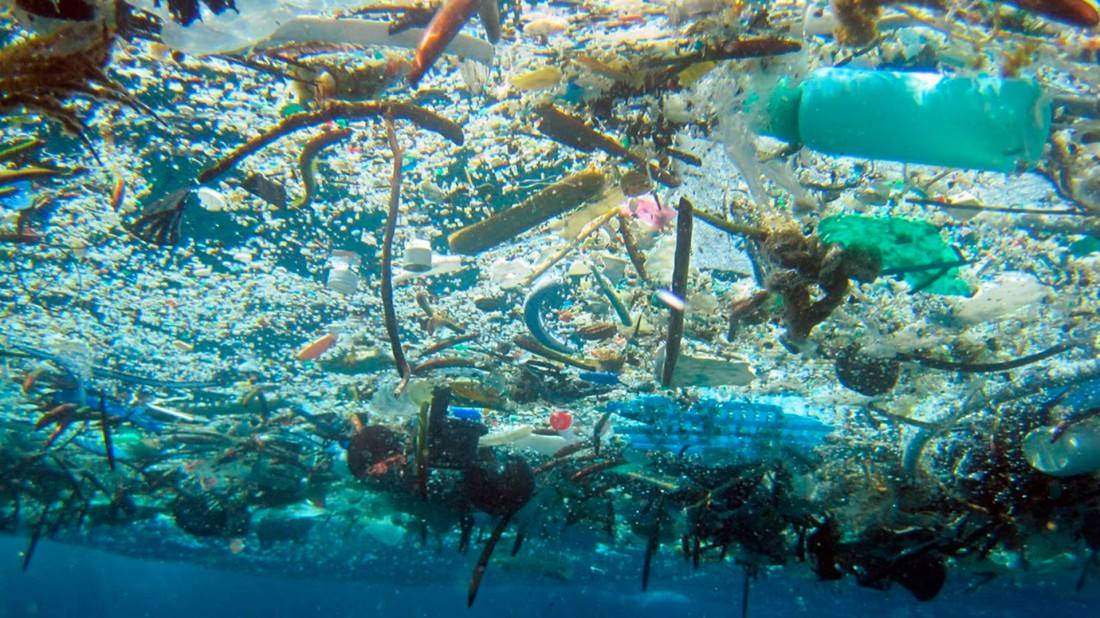
What is environmental deterioration?
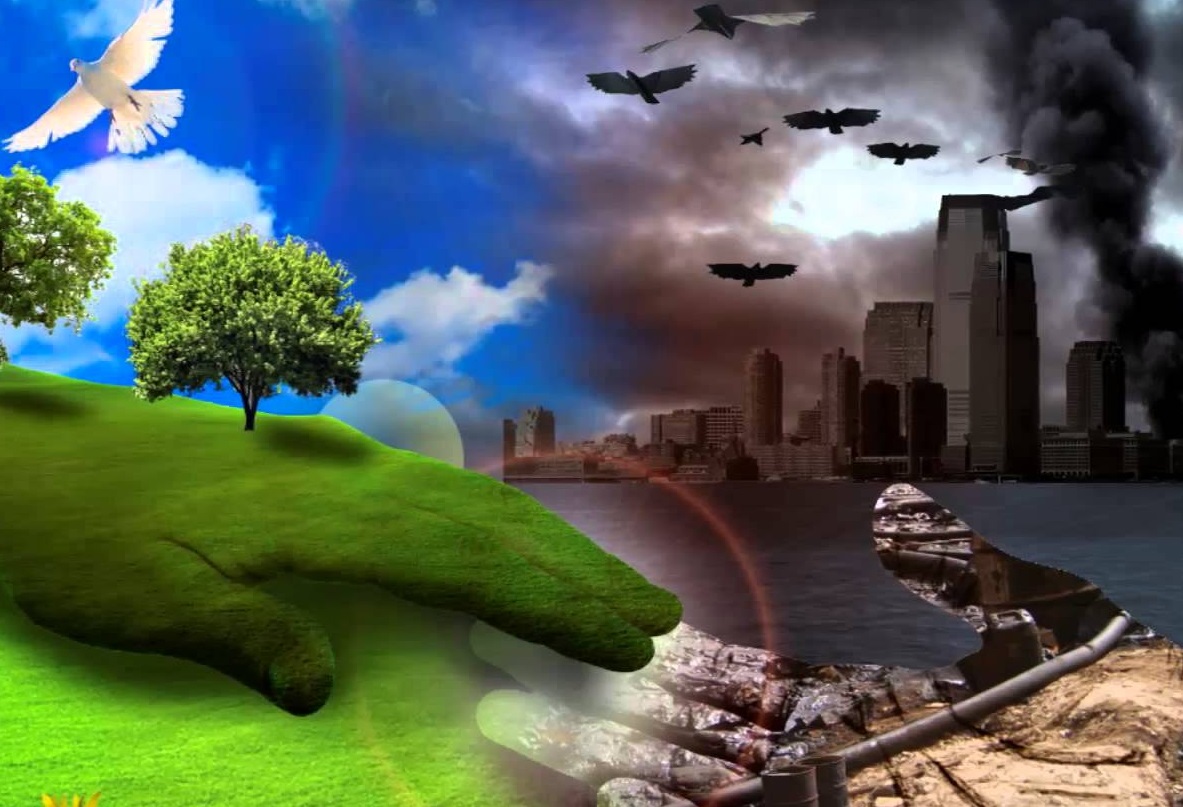
Environmental deterioration is a reality that is observed every day as a product of human activity. Academic Alberto Méndez regarding the deterioration of the environment indicates the following:
“The population continues to grow and the planet's natural resources are finite. The human race has been a born predator of resources and destroys the environment for the sake of human well-being.
In the early times with the foraging tribes, natural assets remained almost constant, economic assets increased, and the difference constituted well-being. With the industrial revolution, human and economic capital increased and environmental capital decreased.
Types of environmental deterioration
There are several types of environmental deterioration and each of them will be explained in the following list:
- Noise pollution: This type of pollution is the one that occurs due to all the excessive noise that is produced every day in large cities, urbanized places where there are a large number of people emit a lot of noise, in addition to the objects that produce it (such as airplanes , vehicles on a highway, loud music).
All this noise has negative consequences on people (it can be stress, sleep disturbance, hearing problems, cardiovascular problems, among other things). Something important is that it not only affects humans but also animals, an example of this is the migration of birds and their reproductive cycles (although this is altered more than anything by climate change).
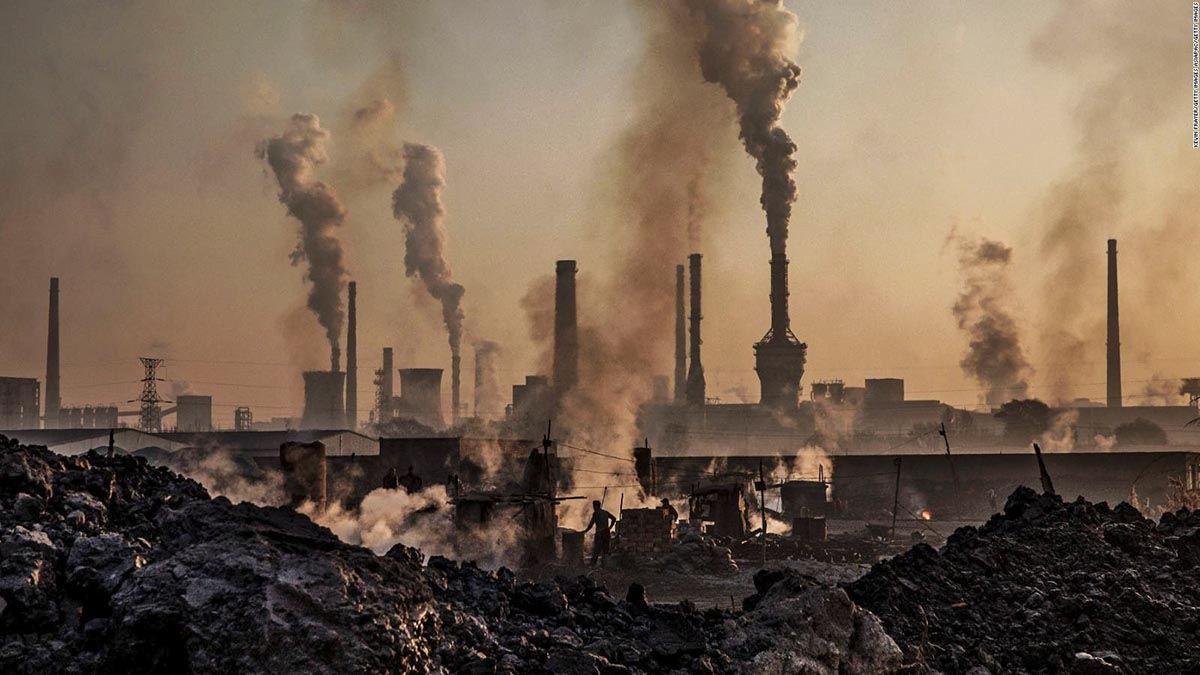
- Atmospheric pollution: This is perhaps the most heard type of pollution and that has the greatest impact on the planet, this is the product of the emission of chemical substances and gases that are harmful to the air and harm it. An example of this is carbon monoxide, nitrogen oxides, among others.
These gases and substances can be emitted by fossil fuels used by vehicles, by natural and human-caused fires, by burning large amounts of garbage, by toxic gases emitted by factories and industries that are in activity every day , among other things.
- Soil contamination: The soil can be contaminated by excessive agricultural and livestock activity, in addition to batteries that are used by electrical devices (because they expel toxic substances). Those who are most affected by this type of pollution are plants and trees around the world.
- Water pollution: This type of pollution is on salt and fresh water, that is, seas, rivers, lakes and any body of natural water found in the world. How is it produced? by throwing toxic waste into the sea through industries, pipes and even individual humans on the beaches.
This type of pollution terribly affects the animal and plant kingdoms, it also affects humans but not enough to be alarming and motivate them to take useful measures.
- Light pollution: This is produced by the excessive use of artificial lighting in highly populated cities, it affects humans and animals directly in their eyes, alters their sleep and causes headaches.
- Thermal contamination: Thermal pollution along with atmospheric pollution are the ones that have been most observed by humanity due to its severity, this specifically affects the entire planet with climate changes, melting glaciers, destruction of ecosystems, rising sea levels, natural imbalance, among others. other things that cause natural disasters and Environmental problems.
- Visual contamination: Excessive amounts of unnatural objects, electricity pylons, billboards, and objects with many lights and colors visually alter humans and animals.

Causes and consequences of environmental deterioration
What causes environmental deterioration will be briefly explained when talking about its causes, then the always negative effects caused by environmental damage to the world, people and animals, will be mentioned in the consequences.
Causes
Regarding the causes of environmental deterioration , these are diverse. Firstly, there is excessive pollution of the different types that were explained above, all a product of unstoppable human commercial and industrial activity that produces toxic substances, polluting gases, and waste that reaches the sea, lakes, and rivers and completely contaminates them.
The progress of industries and the creation of ever-increasing numbers of factories paints a negative picture regarding the resolution of these problems. This rapid industrial development is one of the causes of environmental damage that has had the greatest impact worldwide, and, moreover, no measures are being taken to restrict large companies and reduce the pollution they emit through their business activities.
Overpopulation is a very important point, technological advances are very good and have managed to reduce mortality in the world because living conditions are improved (for certain developed countries), but this is negative when increasing the population and thereby increasing the contamination knowing that each person contaminates to a small or large extent.
Overpopulation goes hand in hand with overexploitation of resources, so this implies more industrial and agricultural activity that pollutes in all the ways mentioned above. In addition to that, people consume more and more, more products are created and more polluting materials are discarded, that is, much more garbage is created.
Not to mention that to create some of these objects that are consumed, ecosystems are destroyed, an example of that is the felling of trees in large quantities, soil erosion, etc.
Consequences
However, the consequences of environmental degradation are numerous. For humans, for example, it has economic repercussions, increasing global poverty, especially in underdeveloped countries (through air, water, thermal, and soil pollution). It also significantly reduces the natural and basic resources needed to feed large and small populations (such as water and crops).
In addition to that, you can see health alterations that are produced by polluted air, water with bacteria and harmful substances, among other things. All this can cause respiratory diseases, skin infections and affects the organs to the point that it can cause death in the worst case.
Far from how it affects humans is how all this contributes to the disappearance of biodiversity, the number of trees is alarmingly reduced, many rivers and lakes are dirty, the sea is becoming increasingly dirty, the ozone layer has more holes, the air becomes less and less breathable, among other things. This not only affects nature as such but the entire animal kingdom that has a greater connection and dependence on the environment than humans.
Effects of environmental deterioration on biodiversity
Environmental degradation affects both animals and the planet, as seen previously; examples of this are:
- More animals in unusual places due to stress or disorientation
- early migration of birds
- Death of many species, in addition to the extinction of many more.
- Global warming and melting ice on the rise
- Increase in natural disasters and climatic phenomena
- Pollution of the sea, the air and the soil due to the incessant emission of Industrial waste
These are very few examples of how the deterioration of the environment caused by human activity affects biodiversity in an alarming way, there are numerous studies that delve into each of these problems and although they present recommendations and proposals to solve these problems, they conclude that the The environmental problem is getting worse and worse and no significant improvement is forecasted in the medium term.