

Hinduism is known for its wide variety of gods and goddesses. Each of these deities has its own role and history. The most popular Hindu gods are Brahma, Vishnu, and Shiva, but there are many more worshipped by followers of this faith.
In this article, we will discuss the various Hindu gods, focusing in more detail on the three principal ones. Our intention is to provide a deeper understanding of the deities of Hinduism and how they play a significant role in Indian religion and culture. Through this text, we hope to help readers appreciate the richness and diversity of Hinduism and better understand its role in the lives of its believers.
What kind of religion is Hindu religion?
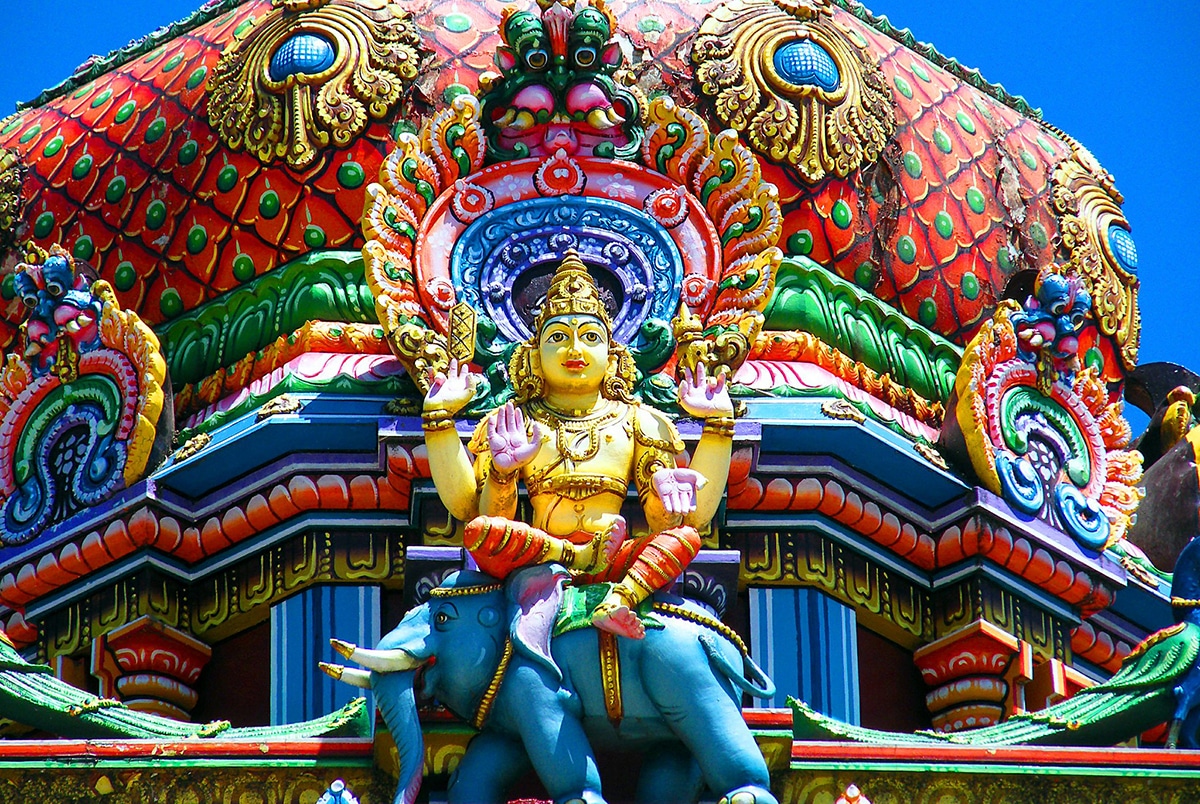
Before discussing Hindu gods, let's first explain what Hinduism is. Hinduism, also known as Sanatana Dharma or the "eternal path," is one of the oldest and most complex religions in the world. It originated in India and has spread to Nepal, Sri Lanka, Indonesia, and other Southeast Asian countries. Hinduism is based on a series of sacred texts, including the Vedas, the Upanishads, and the Puranas, among others.
It is characterized by its great variety of gods , each with a specific function and history. The most popular deities are Brahma, Vishnu, and Shiva. Brahma is the creator of the universe, Vishnu is the protector and preserver of the universe, and Shiva is the destroyer and renewer of the universe. We will discuss them in more detail later.
Hinduism also places a strong emphasis on reincarnation, the idea that a person's soul is reborn into a new body after death. Hinduism also teaches that spiritual liberation, known as moksha, is the ultimate goal of life. Furthermore, it has a guru-disciple tradition, where a guru, or spiritual teacher, guides the disciple on their path to spiritual liberation. This religion also features a wide variety of practices and rituals, including pujas (worship), yajnas (offerings), yoga, meditation, and fasting.
It's worth noting that Hinduism is a very diverse religion with many different branches and traditions. It is a living religion, and it continues to evolve and adapt to modern times.
How many are the Hindu gods?
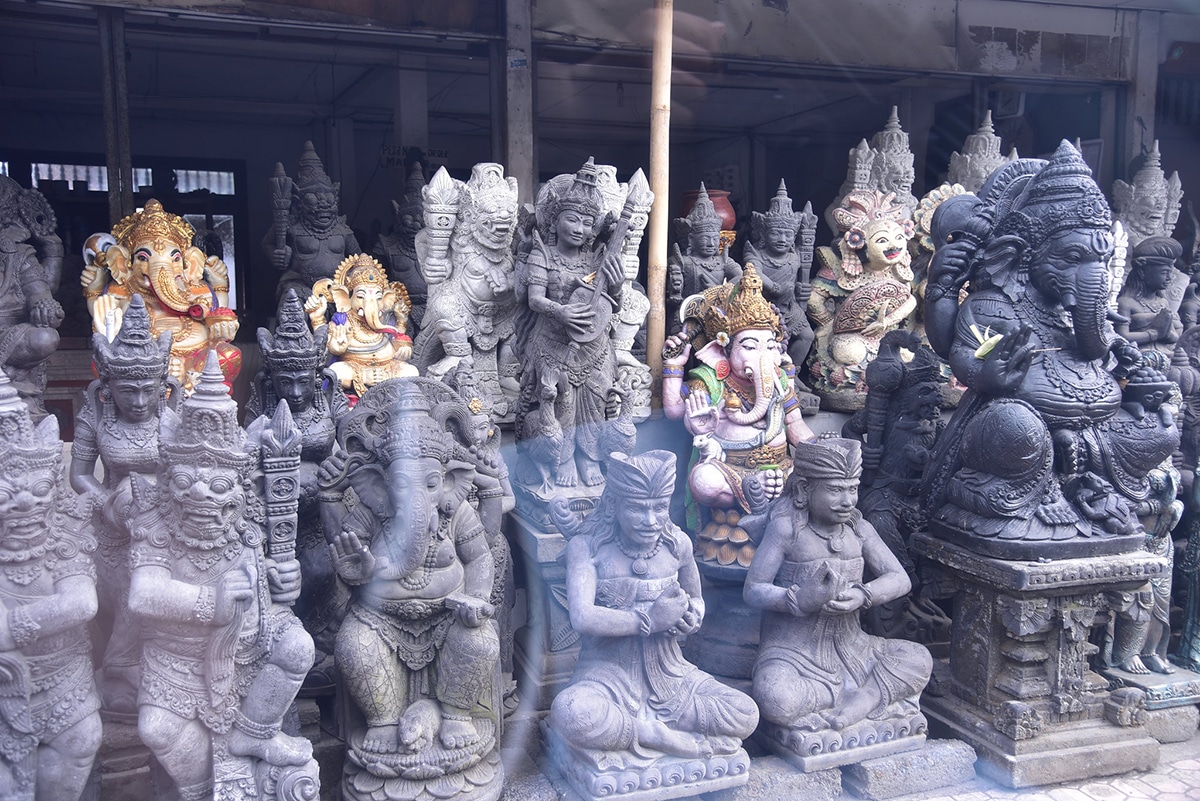
As we mentioned earlier, Hinduism has a vast number of deities, each with a specific function and history. The most popular gods are Brahma, Vishnu, and Shiva, but there are many more in the Hindu pantheon. According to different traditions and sacred scriptures, hundreds of gods and deities are mentioned. However, it is important to note that in Hinduism, they are all different aspects of a supreme God, Brahman, and all the gods are considered manifestations of the one God.
Besides Brahma, Vishnu, and Shiva, some of the most popular gods and deities in Hinduism are the following:
- Devi or Shakti: The feminine goddess, divine energy. She is considered the mother of all gods and goddesses. She is about the goddess of fertility.
- Ganesh: The elephant-headed god, the remover of obstacles. He is one of the most popular gods and is worshiped all over India. He is about the god of wisdom and success.
- Kartikeya: The god of war and bravery. He is the twin brother of Ganesha.
- Hanuman: The monkey god, loyal servant of Rama. He is the god of loyalty and devotion.
- Lakshmi: The goddess of wealth, prosperity and well-being. She is the wife of Vishnu.
- Sarasvati: The goddess of music, art and wisdom.
- Rama and Krishna: Two of the most popular and worshiped Hindu gods in Hinduism. They are avatars of Vishnu and have great importance in Hindu mythology and religion.
- Time: The goddess of destruction and transformation. She is the most powerful form of Devi and is worshiped by those who seek protection and power.
Each god and goddess has their own mythology, history, and worship practices. Some deities are venerated throughout India, while others are more popular in specific regions. Below, we will discuss the three main Hindu gods—Brahma, Vishnu, and Shiva—in more detail.
Brahma: the creator of the universe
Let's begin with the chief of the Hindu gods: Brahma. Without a doubt, he is one of the most important deities in the Hindu pantheon. He is considered the creator of the universe and is one of the Trimurti, along with Vishnu (the preserver) and Shiva (the destroyer). Brahma is also known as the "Father of Genealogies" or "Prajapati." He is the god of creation and the creator of all living beings. Furthermore, he is the god of wisdom and spiritual awareness. He is also considered the god of poetry and music.

According to Hindu mythology, Brahma was created by the supreme God, Brahman, to create the universe. He began this task through meditation and reflection, and after a time, he began to create living beings. He created the heavens, the earth, the oceans, and the living beings that inhabit them.
Brahma is generally depicted with four arms, holding a book, a rosary, a feather, and a bowl of water. He often has four heads, each facing a different direction, symbolizing creation in the four cardinal directions. In Hindu worship, Brahma is a less prominent deity compared to Vishnu and Shiva, and has fewer temples and followers dedicated to him. However, in some regional traditions, he is more widely worshipped and holds greater importance in mythology.
Vishnu: the protector and preserver of the universe
Let's now turn to the deity Vishnu, also one of the most important Hindu gods. According to Hinduism, he is the preserver of the universe. According to Hindu mythology, Vishnu is the protector of the universe and is responsible for maintaining its balance. He is, therefore, the god of justice and protection. He is the sustainer of all that exists, the supporter of all living beings, and the upholder of universal laws.
One of Vishnu's most remarkable characteristics is his incarnations or avatars in different forms, known as "Vishnu Avatars." These avatars include Rama and Krishna, two of the most popular and worshipped deities in Hinduism, who hold great importance in its mythology and traditions. Each of Vishnu's avatars has a specific purpose and an associated story.
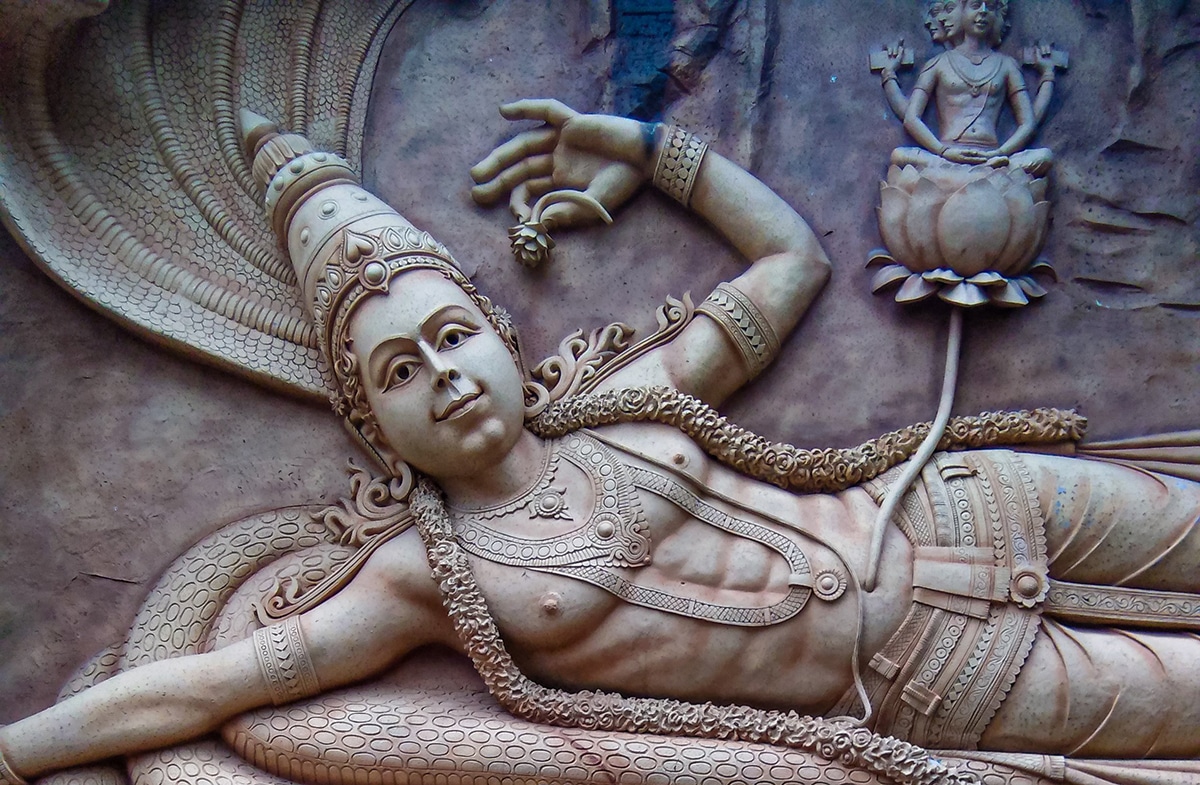
Vishnu is often depicted with four arms, holding a conch shell (shankha), a discus (chakra), a mace (gada), and the lotus flower (padma). He is also typically surrounded by a blue halo. It is common to see him with a serpent called the Shesha, which coils around him like a pillow. He is often shown in a reclining position known as "Ananta-Shesha," where he rests upon the Shesha while meditating and awaiting his next incarnation.
In Hindu worship, Vishnu is one of the most important gods and is venerated throughout India. His temples, known as Vaishnavisms, are very common and popular. Followers of Vishnu are called Vaishnavas and practice devotion and worship to this deity and his avatars.
Shiva: the destroyer and renewer of the universe
Finally, we must highlight Shiva, another of the most important gods in the Hindu pantheon. He is the destroyer and renewer of the universe. According to Hindu mythology, Shiva is the god of destruction and transformation, but he is also the god of regeneration and creativity. Furthermore, he is the deity of meditation and asceticism, which is why he is considered the master of yoga and the mysterious science of tantra.
Besides all these titles, Shiva is also the god of mountains and rivers, and the protector of wild animals and plants. Therefore, it is not surprising that he is also known as Pashupati, or Lord of the Animals. Nor is it surprising that his main worshippers are herders and hunters. Shiva is also known as the Lord of the Dance (Nataraja) in his dancing form, symbolizing the creation and destruction of the universe.
Shiva is generally depicted with three eyes, a naked body, and adorned with snakes and a necklace of skulls. He often appears with a tiger-skin headband and a trident in his hands. He is also commonly seen in a meditative or dancing posture. In Hindu worship, Shiva is one of the most important gods and is venerated throughout India. His temples are very common and are known as Shaivism. Followers of Shiva are known as Shaivas and practice devotion and worship of Shiva and his various forms.
I hope that all this information about the Hindu gods has been interesting for you. You learn something new every day!